



Namibia’s higher education sector has taken a decisive step toward global competitiveness with the launch of the Sustainable Strategies in Higher Education Internationalisation Excellence in Namibia (SHINE) project, a multi-million-dollar initiative aimed at strengthening internationalisation, enhancing collaboration, and improving academic quality across the country’s universities.

The project is backed by approximately USD 8 million from the European Union’s Erasmus+ Capacity Building in Higher Education (CBHE), SHINE is built on the principle of collaboration among institutions.
It focuses on enhancing institutional capacity, expanding international learning opportunities and improving graduate employability, while fostering stronger partnerships between Namibian universities and international institutions.
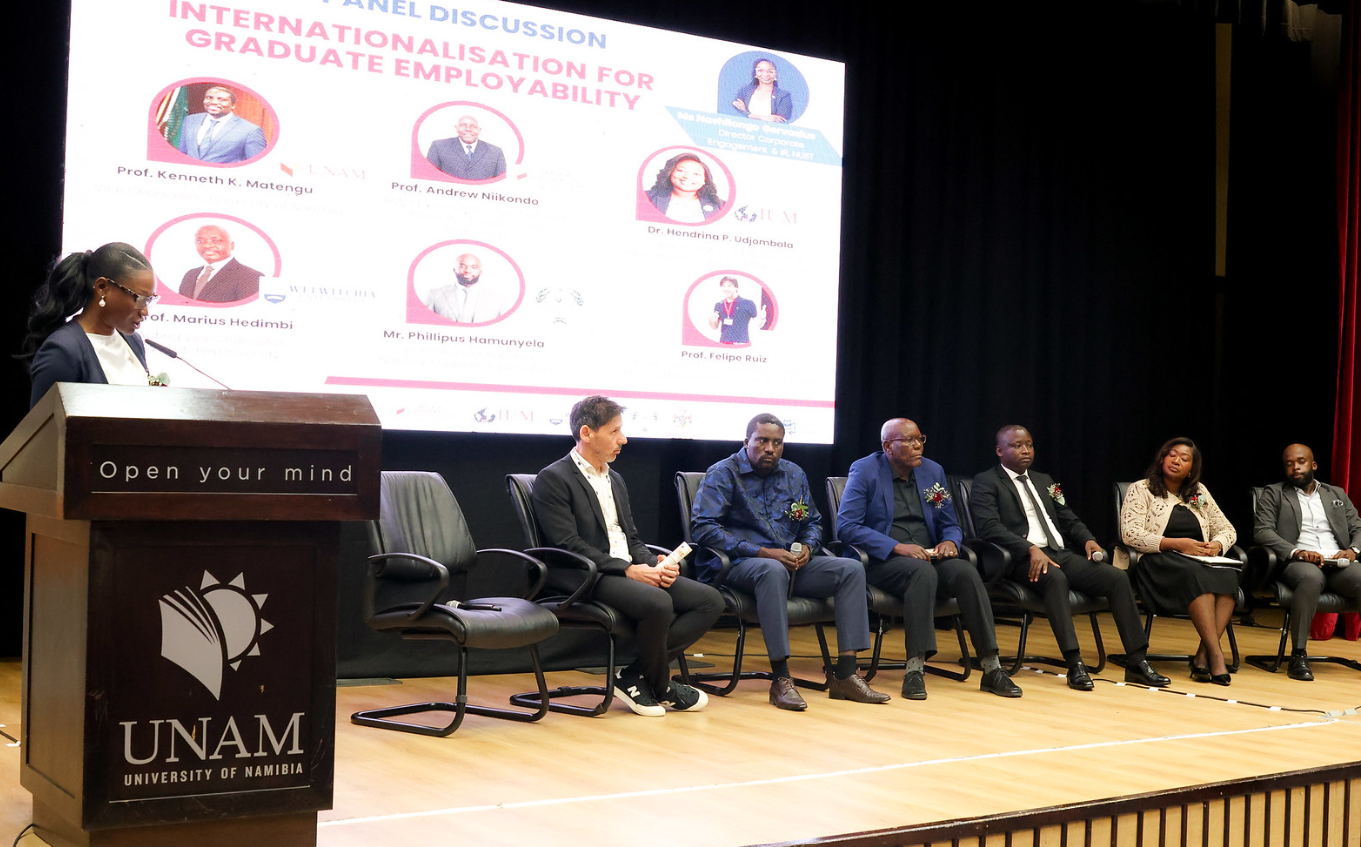
SHINE Currently comprises of 8 partners; the University of Namibia (UNAM), Namibia University of Science and Technology (NUST), International University of Management (IUM), Welwitchia University (WU), University of Alicante (Spain), Saarland University (Germany), Namibia National Students Organisation (NANSO) as well as the Ministry of Education, Innovation, Youth, Sports, Arts and Culture (MEYSAC)
The Minister of Education, Innovation, Youth, Sports, Arts and Culture, Dr. Sanet Steenkamp, officially launched the SHINE project in absentia, with her remarks delivered by the UNAM Vice Chancellor.
In her message, she underscored the initiative’s significance for Namibia’s future, emphasising that young Namibians must be equipped to participate meaningfully in the global economy while remaining firmly grounded in their national identity.
Describing SHINE as more than an initiative, Dr. Steenkamp noted that it represents a promise to the youth of Namibia and positions the country as a recognised hub of academic excellence in Southern Africa and beyond.
Strengthening and Harmonising Internationalisation across Namibian Universities
At the institutional level, Prof. Dr. Kenneth Matengu, Vice Chancellor of the University of Namibia, framed SHINE as a practical mechanism for transformation rather than a symbolic effort. “This project allows us to operationalise internationalisation in a uniquely Namibian context by strengthening systems, people, and partnerships,” he stated.
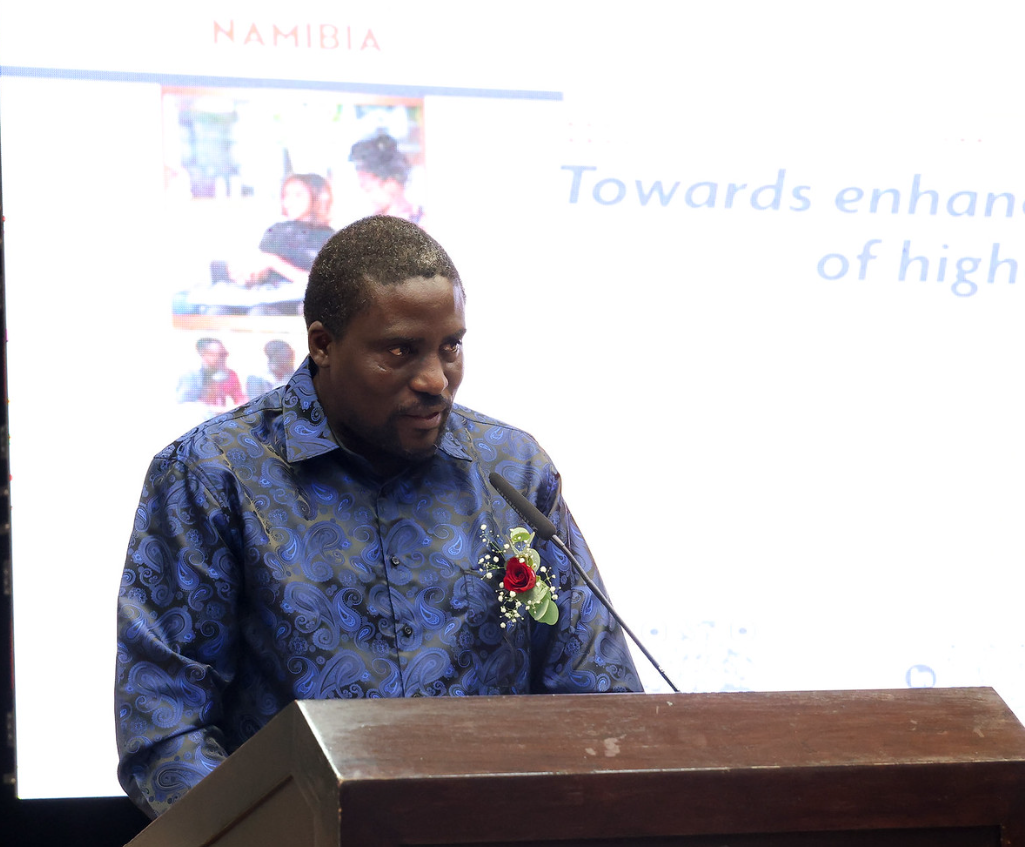
“There is not a single institution that can tackle the complexities of the 21st-century knowledge economy alone,” Prof. Matengu noted. He indicated that collective action, knowledge exchange, and shared resources are central to driving innovation, adding that he views collaboration as critical to sustaining long-term impact.
Ambassador of the EU Delegation to Namibia, H.E. Ana Beatriz Martins praised the initiative’s collaborative foundation.
“Your work reflects the true spirit of Erasmus+, building bridges between institutions, countries, and people,” she said. She stressed that education and research are key to sustainable development, highlighting their role in enabling societies to respond to global challenges.
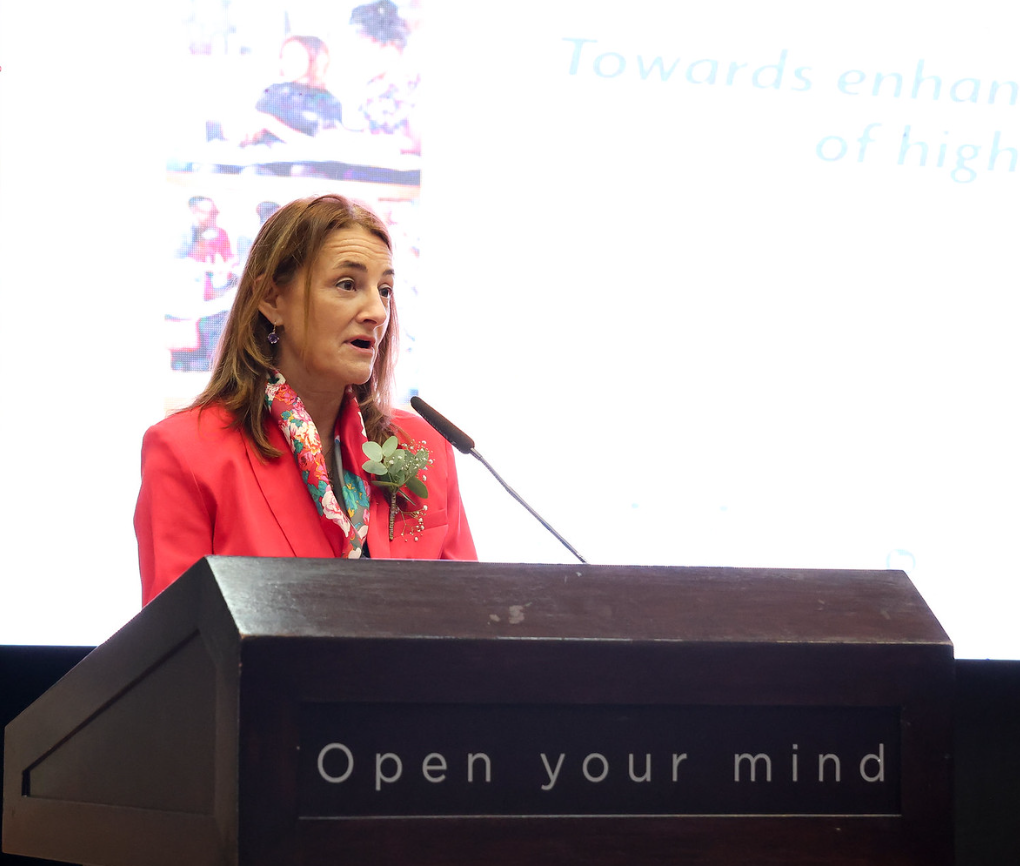
Reaffirming the EU’s commitment, Martins stated, “Namibia is an important and valued partner of the European Union.” She added that the relationship is grounded in shared values and mutual respect and a joint commitment to creating opportunities for future generations.
Providing insight into implementation, Dr. Romanus Shivoro, SHINE Project Coordinator, described the initiative as a unifying framework.
“We truly believe this project will harmonise systems and people, allowing us to leverage benefits collectively,” he said. He elaborated that SHINE integrates mobility, capacity building, and institutional collaboration, noting that he identified these as core components of effective internationalisation.
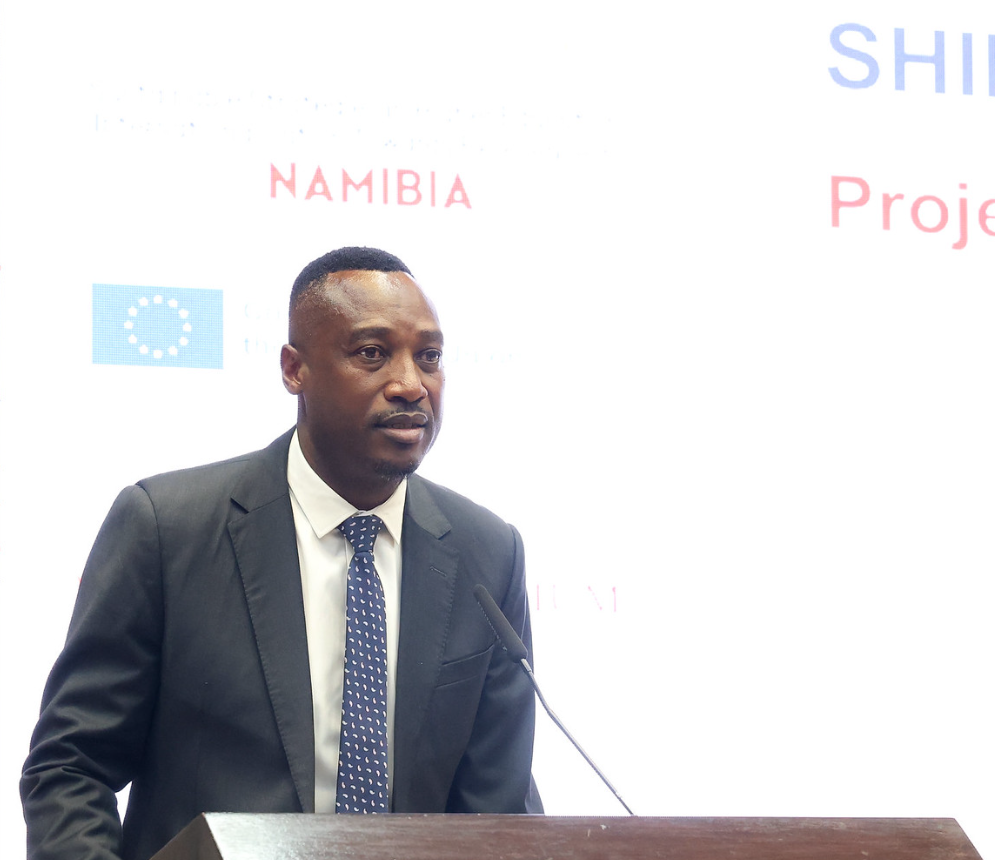
The project, which runs over 36 months, is designed to deliver measurable outcomes. “The main goal is to strengthen and harmonise internationalisation efforts across Namibian universities,” said Dr. Shivoro, who is also the Assistant Director: International Relations at UNAM.
He added that improving graduate employability, enhancing research capacity and expanding global partnerships are central to this project.
As the SHINE project takes off, it signals a strategic shift in Namibia’s higher education landscape, one defined by collaboration, global engagement, and a unified vision for academic excellence.