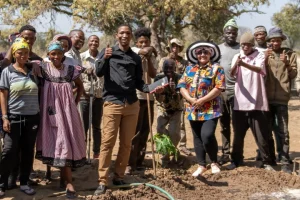



The University of Namibia (UNAM), through its Capacitating One Health in Eastern and Southern Africa (COHESA) team, has brought together veterinary, healthcare and environmental practitioners to address interconnected health challenges in Sangwali, Zambezi Region.
The intervention, held in partnership with the Directorate of Veterinary Services (DVS), the Ministry of Health and Social Services (MoHSS), Wild Waters Group and the local community, translated scientific research into practical interventions addressing concerns identified by residents.
This initiative was informed by findings from the study Exploring Communities’ Perspectives and Experiences about Wildlife Culling from a One Health Approach in the Zambezi Region (EPECOH). Since June 2025, the team has conducted community surveys and related activities examining experiences of the Namibian Government’s 2024 drought-relief wildlife culling and meat distribution programme.
Research explored concerns surrounding meat safety, traditional leadership, indigenous knowledge and health risks where people, livestock, domestic animals and wildlife share the same environment.
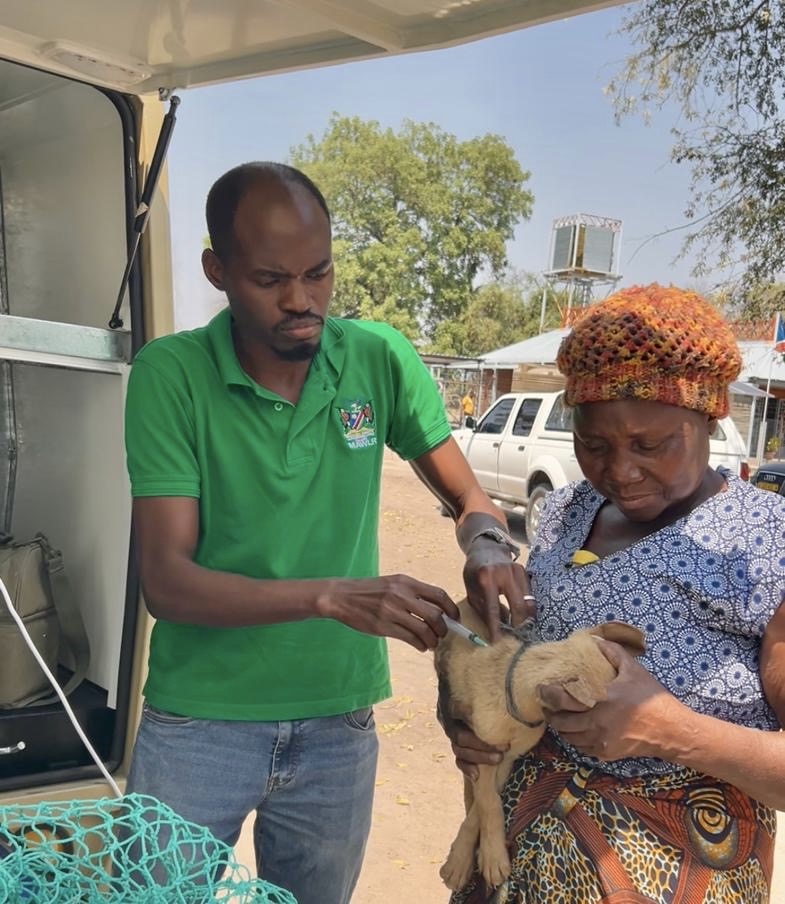
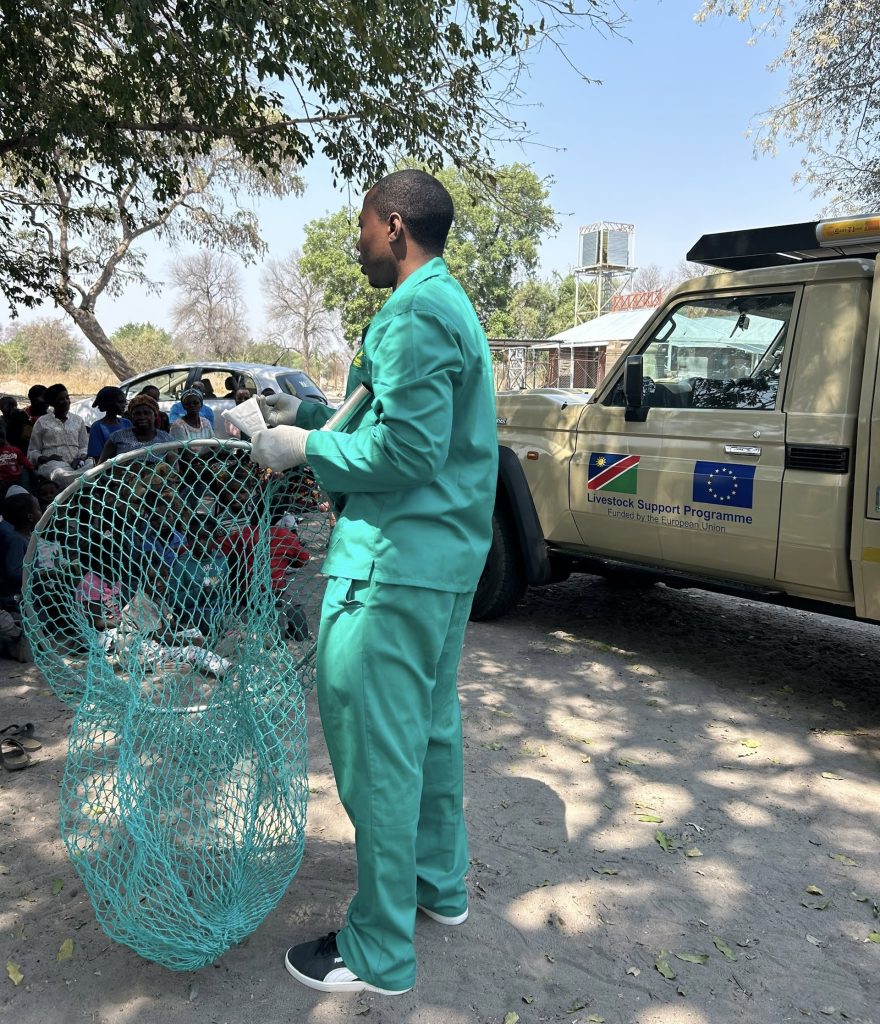
During the intervention, a DVS team led by Dr Namusheshe raised awareness about rabies and vaccinated dogs. Clinical staff from Sangwali Clinic, led by Mr Lister Nchindo, discussed rabies management, malaria and other public health concerns while screening residents for high blood pressure, diabetes and other basic health conditions.
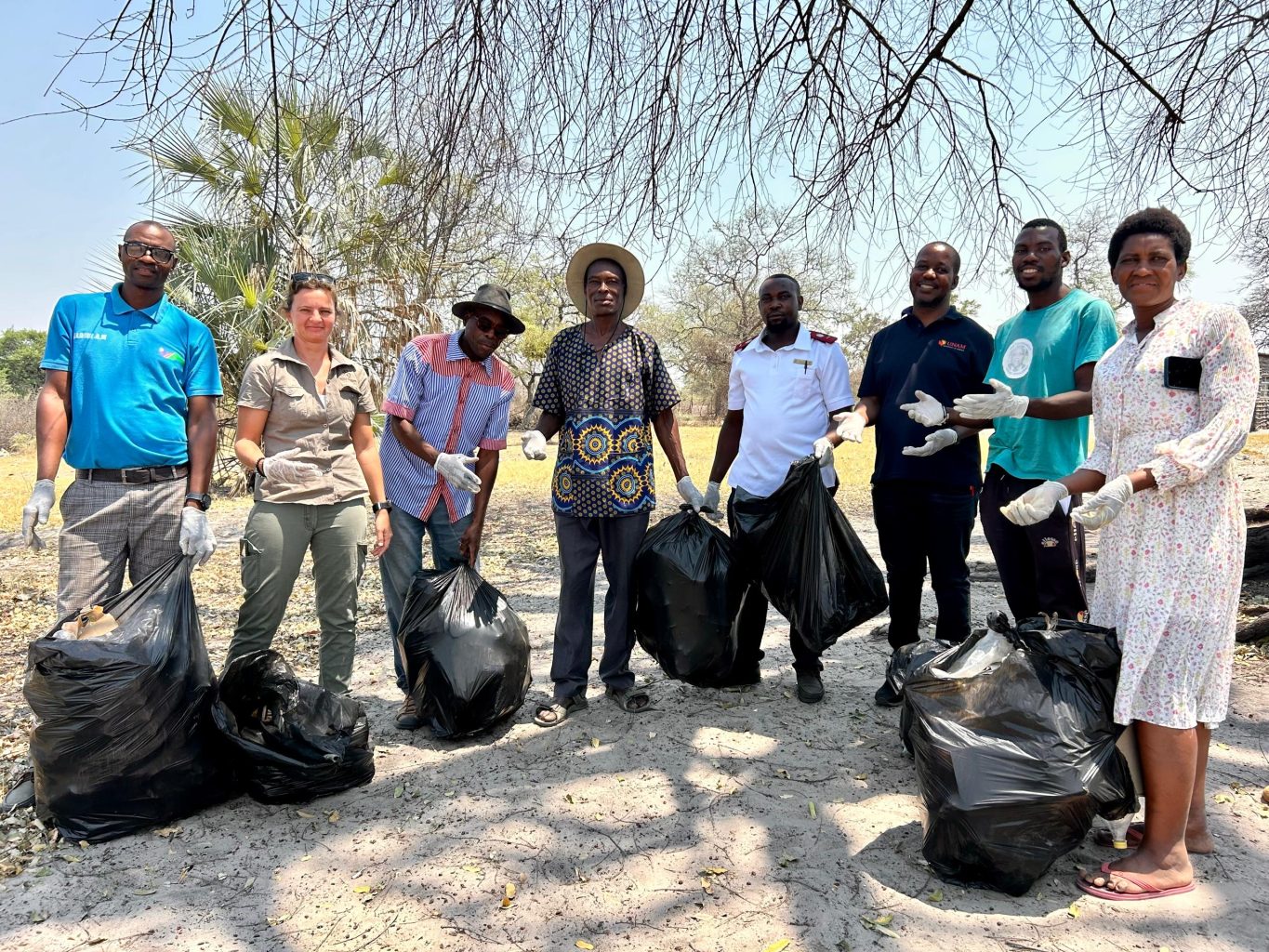
Ms Rachelle Lambrechts of Wild Waters Group delivered an awareness session on living safely alongside snakes, while community members participated in a clean-up campaign promoting a healthier environment.
Highlighting the importance of these interventions, Ms. Lisao Kamuhelo, a Forest Lecturer at UNAM explained that Sangwali’s location between national parks and grazing lands makes collaboration essential.
“Sangwali is between national parks and the grazing lands, so the health of people, cattle, dogs and wildlife there is one system,” she said. “The vaccination campaign and the health talks give the community tools they can use in their daily lives.”
The activities responded directly to concerns identified through the EPECOH study, including zoonotic diseases, environmental factors contributing to disease transmission and fears associated with living alongside wildlife.
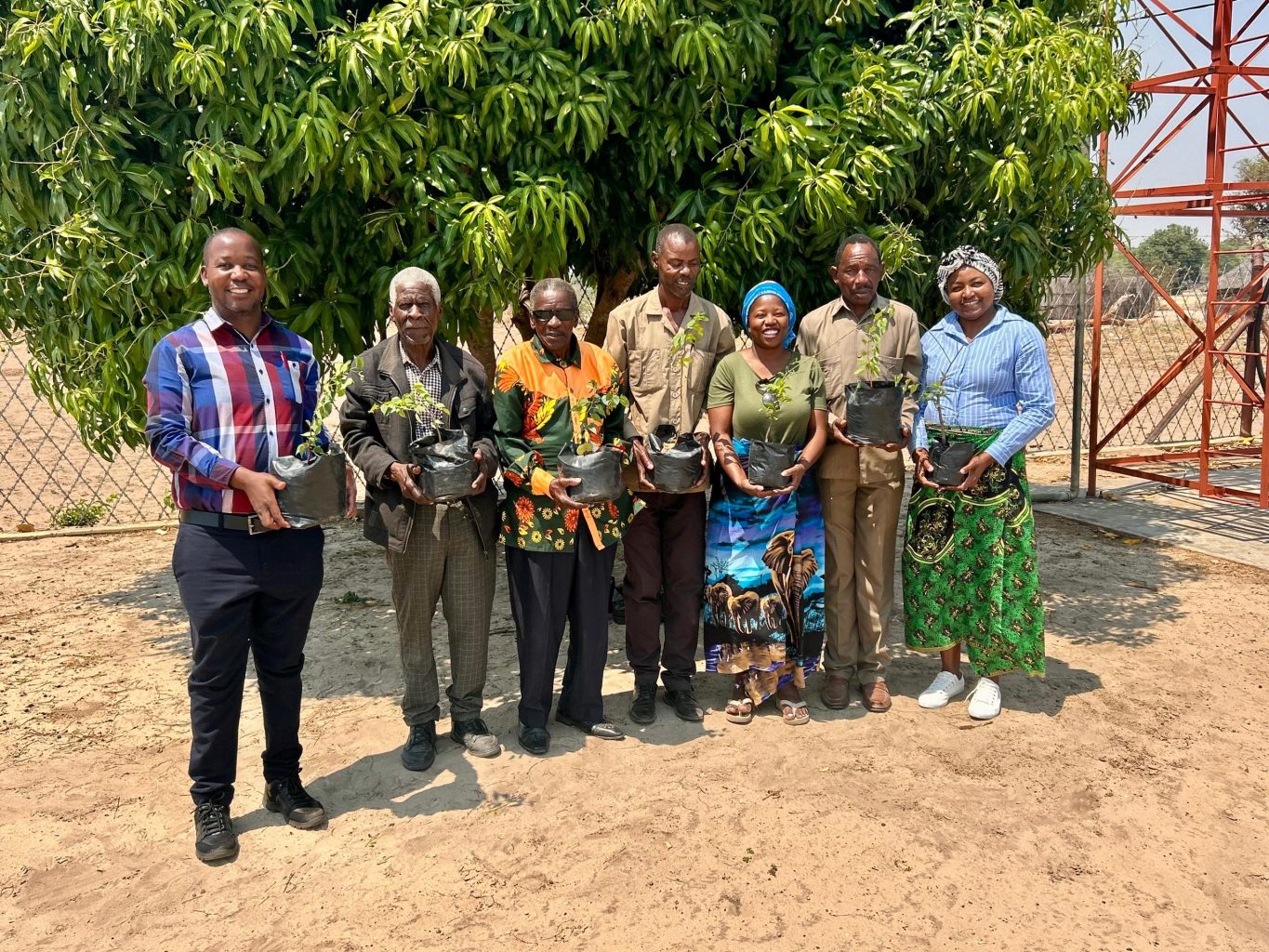
The programme also distributed 110 drought-resistant indigenous tree seedlings, raised at UNAM’s Ogongo Campus nursery, to traditional authorities in the region. The species included Guibourtia coleosperma, known as false mopane or muzauli, and Berchemia discolor, commonly called bird plum or muzinzila.
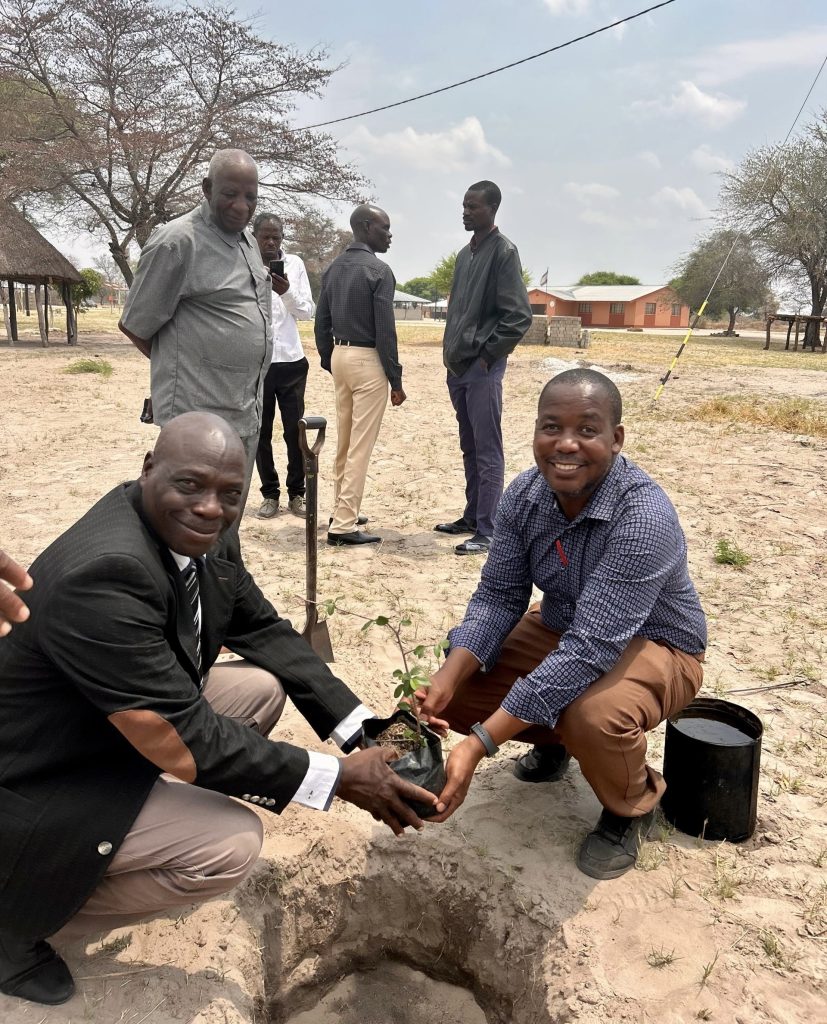
Both species are valued for their environmental and livelihood benefits. False mopane provides shade, timber and edible seeds, while bird plum produces fruit that can be eaten fresh, dried or brewed. The seedlings are expected to support environmental restoration, provide resources for communities and livestock, and contribute to resilience against drought. Their growth will be monitored to document the growth rates of Namibian tree species.
Community members and traditional leaders expressed appreciation for the research findings, vaccinations, health screenings and seedlings, highlighting the value of addressing human, animal and environmental health together.
One Health recognises that these areas are interconnected and require collaborative responses. The Sangwali intervention demonstrated how scientific research and local knowledge can inform practical solutions to health and environmental challenges.
Funded by COHESA, with support from consortium partners the International Livestock Research Institute (ILRI), ISAAA Afri-centre and CIRAD, the EPECOH initiative aims to strengthen collaboration between researchers and rural communities.
The COHESA team is led by Prof. Simon Angombe, Principal Investigator and Associate Dean at UNAM’s School of Agriculture and Fisheries Sciences. The team plans to continue its One Health advocacy and extend similar interventions to other communities.
Original article by: Kamuhelo Lisao, Susanna Shivolo-Useb and Brighton Gorejena