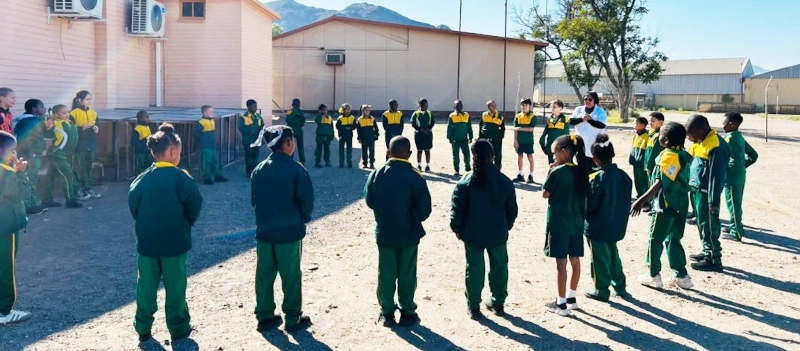



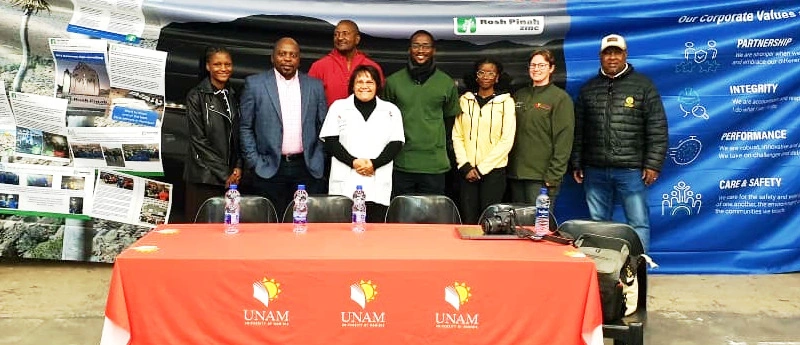
In celebration of the One Health in Action Intervention Day, the University of Namibia has urged stronger community participation and collaboration to improve human, animal, and environmental health in Rosh Pinah.
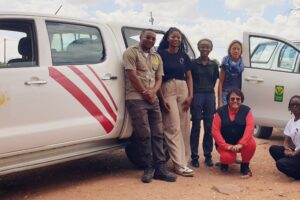
The initiative, presented through UNAM Cares in partnership with the UNAM School of Veterinary Medicine and Rosh Pinah Zinc, promoted a “One Health” approach that recognises the connection between people, animals, plants, and ecosystems. The initiative raised awareness of sustainable health practices, highlighted risks associated with heavy-metal exposure, like lead, and encouraged cooperation among local stakeholders.
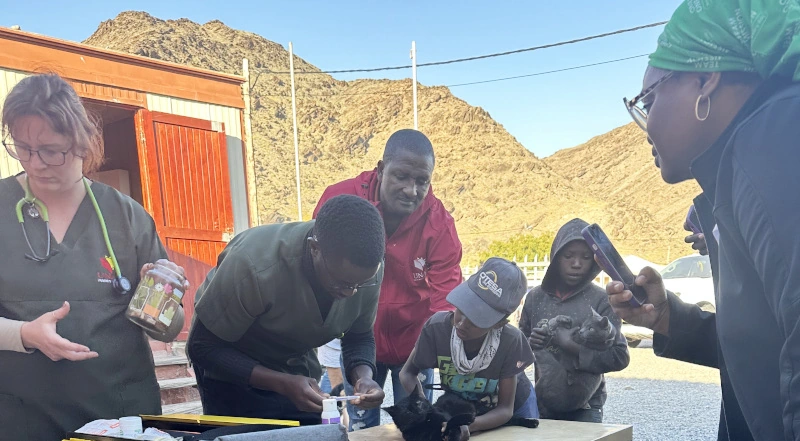
Activities included free animal-health screenings, deworming for dogs and cats, and rabies vaccinations where necessary. The local community also received education on zoonotic diseases, antimicrobial resistance, environmental protection, and food safety.
The event highlighted the importance of cooperation among public health professionals, veterinarians, environmental scientists, educators, policymakers, community leaders, and other specialists. Community engagement was identified as essential because residents understand the social and environmental conditions that may affect their health.
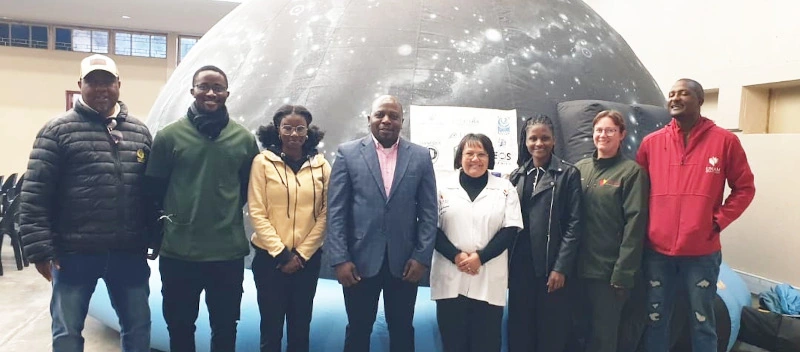
The programme also featured astronomy education shows presented by the UNAM Africa Millimetre Telescope Mobile Planetarium team. The mobile planetarium provided an engaging opportunity for community members to learn about astronomy and explore the wonders of the universe. The activity added an educational dimension to the One-Health initiative by promoting scientific knowledge, curiosity, and interest in science-related fields.
“Sustainable solutions cannot be imposed through top-down approaches. Communities must help design and implement interventions,” said UNAM Cares Head and lead facilitator of the initiative, Prof. Rachel Freeman. “We must work together in the spirit of Ubuntu to protect human health, animal welfare, the environment and future generations,” she added.