



“They can help, or hurt, your message,” says Dr Manfred Janik.
It began, as many modern misunderstandings do, with an emoji. A cancelled meeting. A cheerful, dancing reply-all. Then a formal reminder about “professional tone” in official emails.
“This isn’t a defence of emojis or a rebellion against decorum,” says Dr. Manfred Janik, a Senior Lecturer in Psychology at UNAM. “It’s a gentle nudge to ask what we’re really communicating in academic spaces. Are emojis bridges of warmth, or passive-aggressive traps disguised as smiles?”
Why emojis trip us up
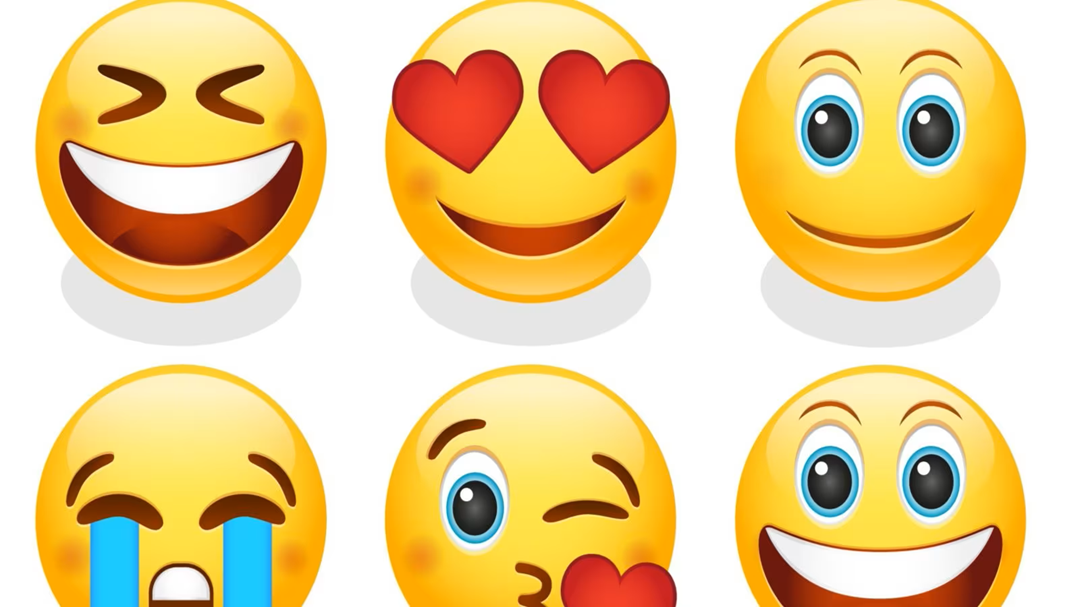
“Emojis are digital body language,” Dr. Janik notes. Like a raised eyebrow or a wry smile, they add tone where email strips it away. The 🤔 can mean “Interesting point” or “That’s nonsense.” The 😬 might say “My mistake!”, or “This is awkward in a bad way.”
In professional settings, where we’re trained to read between the lines, “an emoji becomes the tone,” he says. That helps soften critique or signal empathy, but it can also become a Rorschach test: different readers, different meanings.
Culture, context… and UNAM
As UNAM becomes more connected and generationally diverse (hat-tip to our ICT Services unit), styles evolve. “A well-placed 😊 can make a lecturer feel approachable,” Dr. Janik suggests.
Yet hierarchy and discipline norms matter: what delights a peer may jar a senior colleague.
Namibia’s social context matters, too. “Men aren’t always socialised to express vulnerability,” he observes. “A simple ❤️ or 👍 can be a non-threatening way to name a feeling we would otherwise hide.”
In other words, emotional intelligence is increasingly digital, and sometimes, pictorial.
The middle path: mindful emoji use
“Know your emoji; know your audience,” Dr. Janik says with a grin. Internally, a 👍 can feel warmer than “Noted.” A 😊 can soften a necessary “No.”
But clarity comes first. “When in doubt, spell it out. Emojis should enhance plain language, not replace it.” Consider power dynamics (peer vs. executive), the channel (teams chat vs. external letter), and the intent (reassure, appreciate, lighten). If a symbol could be misread, add five honest words.
Humour, humanity, humility
Beneath the lightness lies a serious point. “Our emails are official; our humans are not,” Dr. Janik says. “We’re tired, hopeful, distracted, delighted. A small emoji can brighten a long day, if used thoughtfully.”
His invitation is simple: keep the warmth, keep the standards, and let common sense mediate the space between.
In a screen-first world, the real question is not whether we use emojis, but how we preserve connection, ❤️, 😁 and all.
The full article, titled: “Emoji Etiquette and Academic Diplomacy: A Psychological Reflection on 🧐, 😬, and 🤷♂️” is available here: click here