


In a landmark step to strengthen youth wellbeing, UNAM Cares, in the Office of the Vice Chancellor, has launched Namibia’s first pilot study of the keepin’ it REAL (kiR) curriculum. REAL stands for its four resistance strategies: Refuse, Explain, Avoid, and Leave.
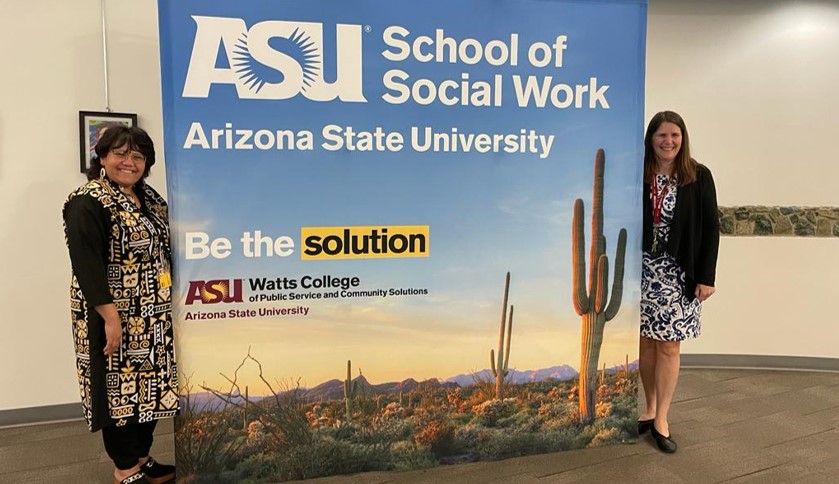
Funded by Arizona State University’s Global Center for Applied Health Research, the initiative brings a globally successful prevention programme into Namibian classrooms for the first time. kiR equips young people with practical life skills to make healthy choices.
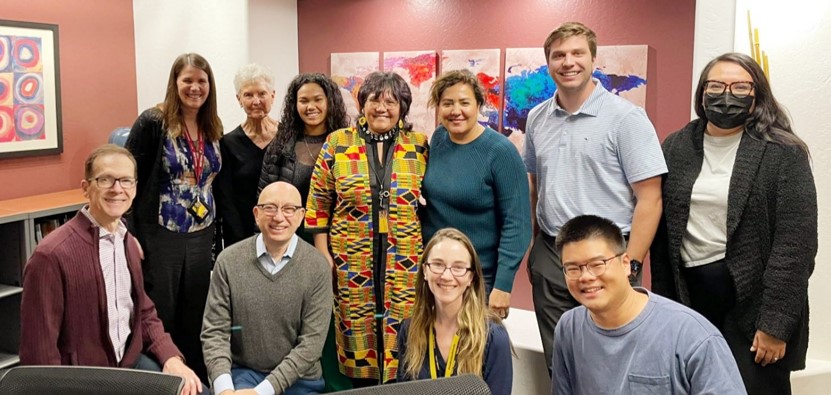
The pioneering research is led by Professor Rachel Freeman, Head of UNAM Cares and Post-Doctoral Research Fellow at ASU. It examines the effectiveness of kiR among Grade 7 learners in four Windhoek primary schools.
Working with the Ministry of Education, Innovation, Youth, Sport, Arts and Culture, Prof. Freeman and her research team combine scientific excellence with community wellbeing. At the curriculum’s heart is a commitment to equip adolescents with tools to resist peer pressure and build resilience.
“This project is more than a pilot study, it is an investment in the next generation by equipping learners with practical life skills and knowledge,” says Prof. Freeman. “Through this life skills programme, we are helping them navigate the challenges of adolescence with confidence, purpose, and resilience.”
Through ten interactive 45-minute lessons, learners build resistance, communication, and decision-making skills adapted to Namibian youth’s real-life situations. The pilot has engaged eight Windhoek schools, four implementing the curriculum and four serving as controls.
The research team invested heavily in teacher preparation: in August 2025, participating teachers completed an intensive workshop and were certified as kiR Facilitators. The training introduced them to the curriculum’s interactive, evidence-based methodology.
Teachers play a pivotal role in facilitating discussions and contextualising lessons for Namibian communities. Their reflections are being collected to inform future curriculum adaptation.
“Teachers are the cornerstone of this initiative,” Prof. Freeman explains. “Their enthusiasm, commitment, and insights ensure that the curriculum resonates with learners, not as an external idea, but as a shared, lived experience.”
As implementation progressed through 2025, the research team monitored learner engagement and collected data on attitudes and behaviours linked to substance use. Analysis will determine the programme’s potential for broader application in Namibia.
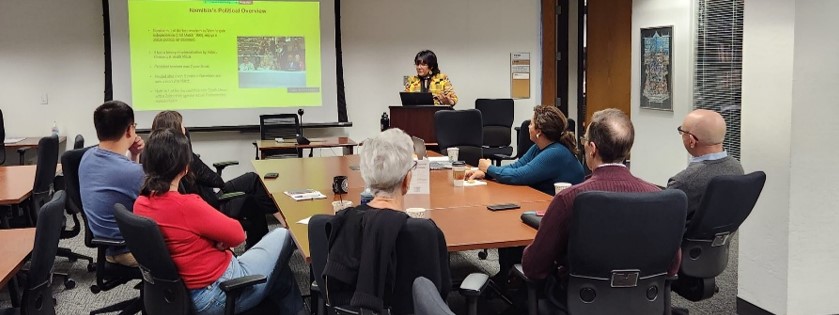
The findings are expected to show how internationally validated prevention programmes can be adapted within Namibia’s cultural context. The study will also contribute to global discussions on evidence-based youth health interventions.
This pioneering project reflects UNAM’s commitment to research with tangible societal impact, bridging science, education, and community wellbeing.
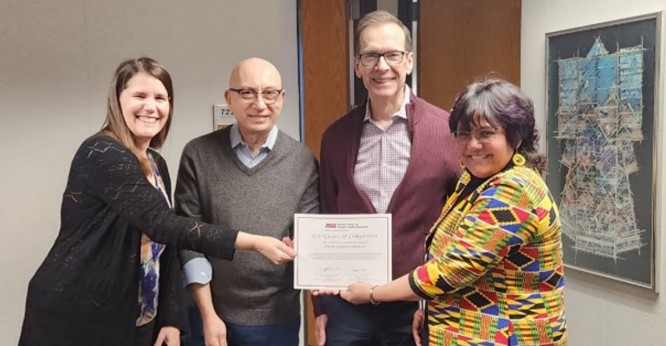
Through UNAM Cares, the University is laying the foundation for a sustainable national model of school-based substance use prevention. The keepin’ it REAL pilot shows what research, education, and community partnership can achieve together.
“Our young people are our greatest resource,” concludes Prof. Freeman. “When we invest in their wellbeing, we are investing in the nation’s future.”
UNAM is helping shape a future where Namibian youth are equipped not only to resist substance use, but also to thrive as confident, resilient citizens, building healthier, stronger communities for generations to come.