



When nuclear science is mentioned, many people immediately think of nuclear power plants. Yet globally, the peaceful applications of nuclear science extend far beyond electricity generation and already play an important role in improving health, agriculture, environmental protection and industrial development.
For countries like Namibia, understanding these applications is essential as the nation strengthens its capacity in nuclear science and technology.
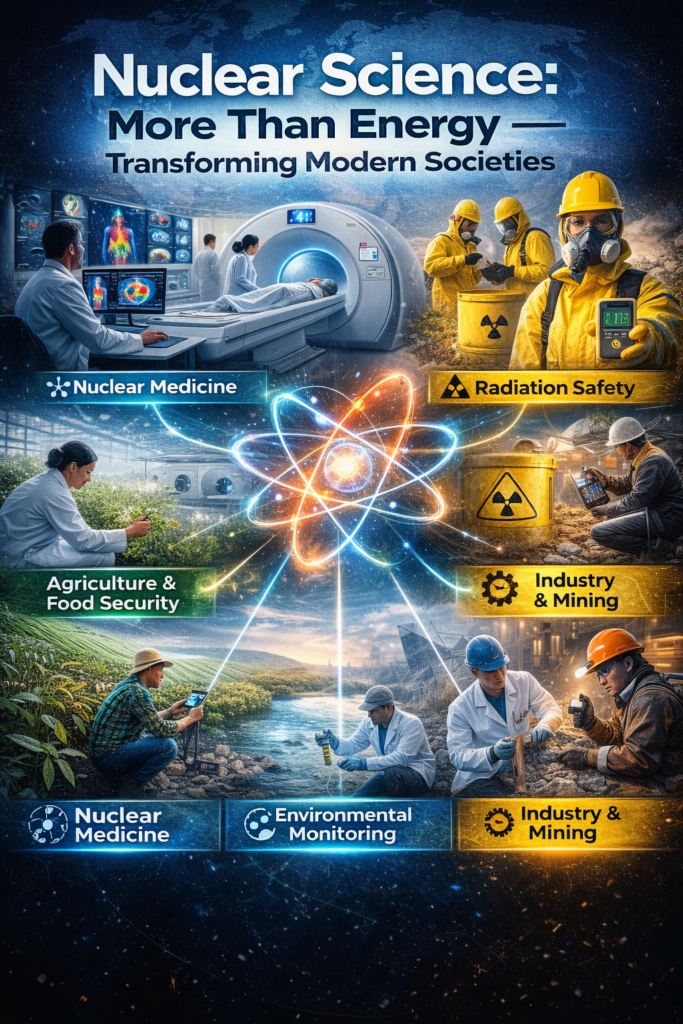
One of the most visible fields is nuclear medicine. Radiation-based technologies are widely used in hospitals for diagnosing and treating diseases such as cancer. Techniques such as PET and SPECT imaging allow doctors to detect illnesses earlier and treat patients more effectively. Nuclear medicine has become one of the fastest-growing medical fields worldwide.
Dr. Roswita Hamunyela, Project Manager of the School of Applied Nuclear Sciences at the University of Namibia, who has diverse nuclear expertise including nuclear medicine, notes that strengthening expertise in this field is particularly important for Namibia. “Nuclear medicine plays a critical role in the early diagnosis and treatment of cancer. As Namibia continues to face a growing cancer burden, developing local expertise in nuclear medicine and related technologies will be essential to improving healthcare outcomes and strengthening the country’s medical capabilities.”
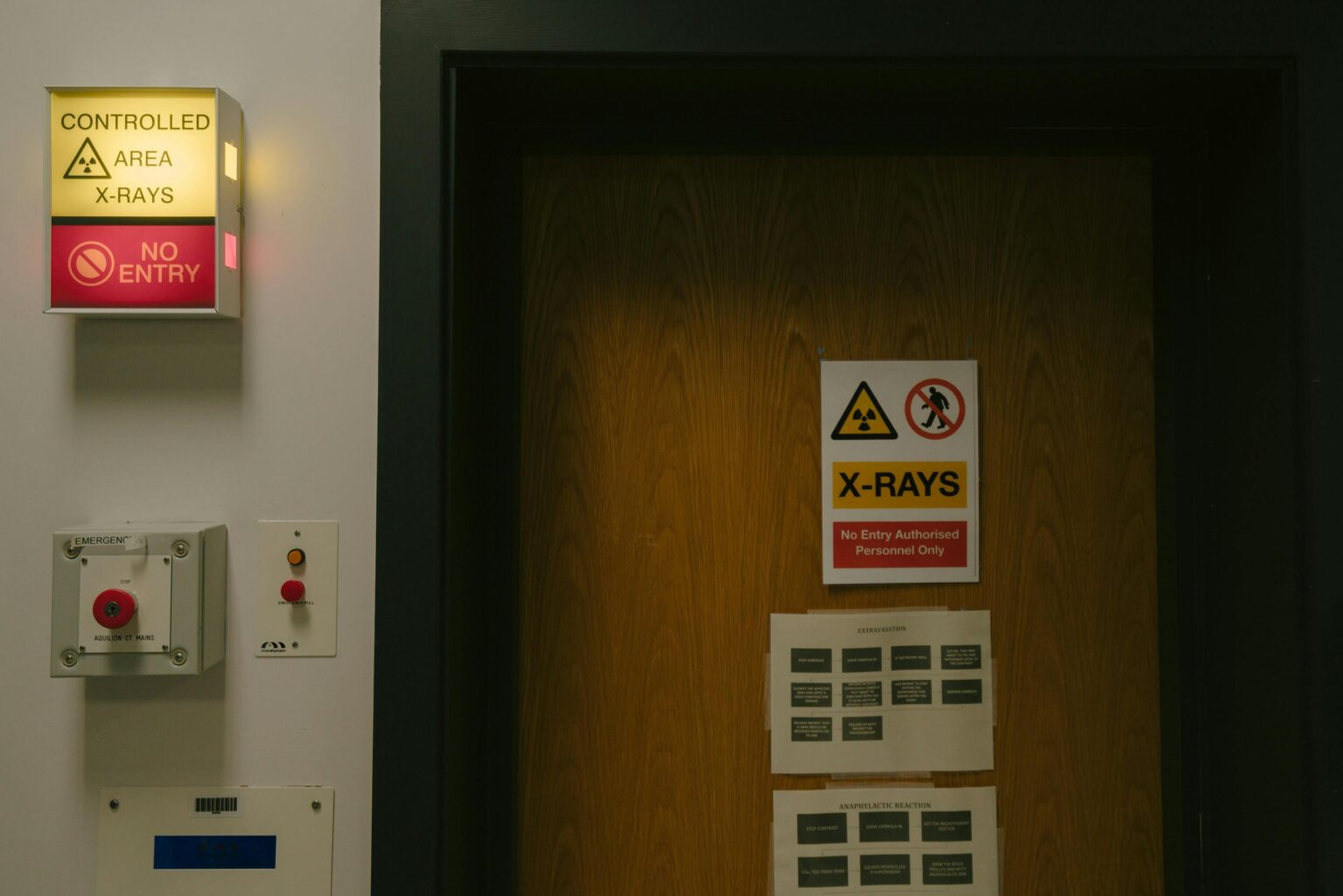
Another critical area is radiation protection and nuclear safety, which ensures that radiation used in medicine, industry and research is applied safely. Specialists in this field support hospitals, mining operations, laboratories and regulatory authorities to ensure that radiation practices meet international safety standards.
Nuclear science also contributes significantly to agriculture and food security. Isotope techniques help scientists improve crop varieties, monitor soil health and control agricultural pests. These technologies support more resilient food systems in regions affected by climate variability.
In the field of environmental monitoring, nuclear techniques allow scientists to trace pollutants, study groundwater systems and monitor environmental changes. Such tools are valuable for countries managing natural resources and protecting ecosystems.
Finally, nuclear science supports industrial applications, including material testing, quality control and mineral analysis. These techniques are widely used in sectors such as mining, construction and manufacturing.
As Namibia strengthens its national capacity in nuclear science through institutions such as the School of Applied Nuclear Sciences at the University of Namibia, these diverse applications highlight the importance of developing a skilled workforce capable of applying nuclear technologies safely and responsibly for national development.
Prof. Dr. Kenneth Matengu, Vice-Chancellor of the University of Namibia, emphasises that African universities have a critical role to play in expanding nuclear knowledge across the continent. “African universities must work together to strengthen education, research and skills development in nuclear science. By expanding nuclear applications and fostering regional collaboration, our institutions can ensure that nuclear technologies contribute meaningfully to Africa’s development in healthcare, agriculture, environmental protection and future energy systems.”