


Six Namibian communities grow organic vegetables, oyster mushrooms, and train young “One Health Champions.”
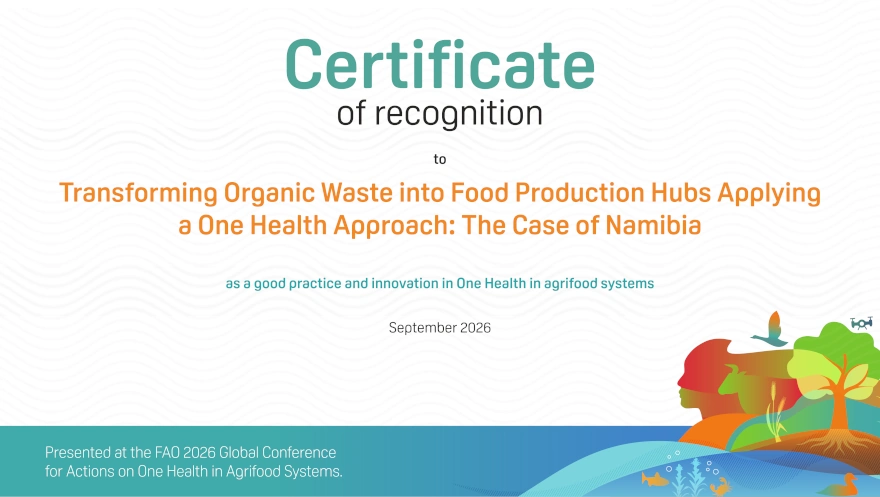
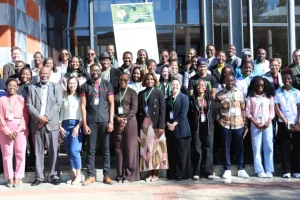
At the One Health Hubs, organic waste is being turned into mushrooms, organic vegetables and new skills in six Namibian communities. The work has now earned global recognition from the Food and Agriculture Organisation of the United Nations (FAO) on 22 September 2026 at the FAO 2026 Global Conference for Actions on One Health in Agrifood Systems in Rome, Italy.
UNAM Cares, the University of Namibia’s Corporate Social Responsibility and community engagement programme under the Office of the Vice Chancellor, received an FAO Certificate of Recognition for its project Transforming Organic Waste into Food Production Hubs Applying a One Health Approach: The Case of Namibia. The FAO cited the project as a good practice and innovation in One Health in agrifood systems.
“We are not simply implementing projects,” said the Head of UNAM Cares, Professor Rachel Freeman. “We are demonstrating how a university can use its knowledge, research, partnerships and community engagement mandate to translate ideas into tangible societal impact.”
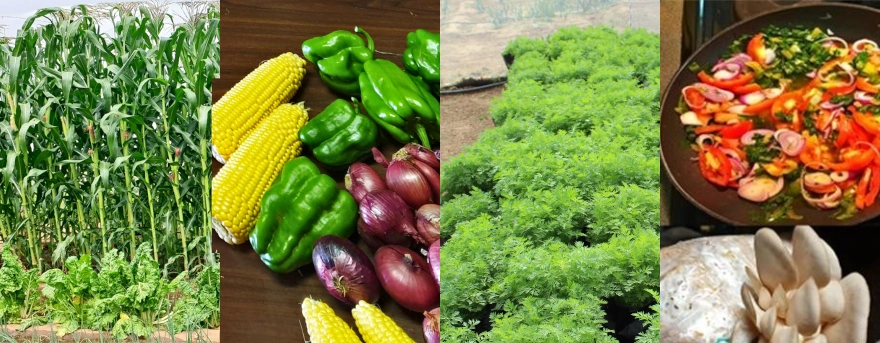
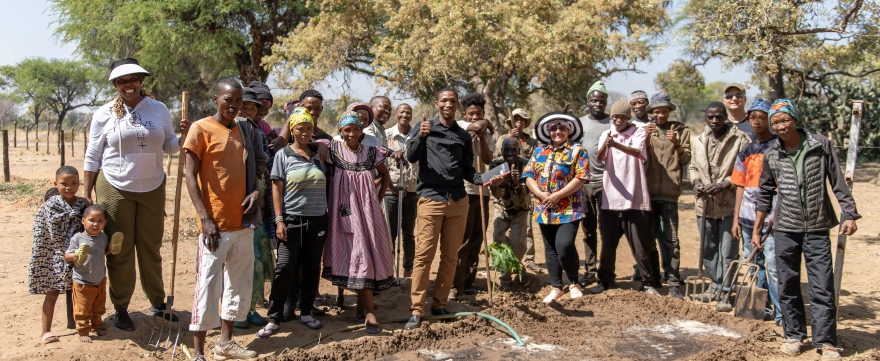
At the Dordabis Sustainable One Health Garden and the mushroom cultivation sites, residents learn composting, climate-resilient organic food production, food safety and mushroom cultivation. Training also covers environmental stewardship and entrepreneurship, so participants can explore ways to earn an income from what they grow.
The hubs reach well beyond the garden. Under the One Health approach, which treats human, animal, plant and environmental health as connected, UNAM Cares pairs food and feed production with public health education, animal health and welfare services, rabies vaccination, deworming and community clean-ups.
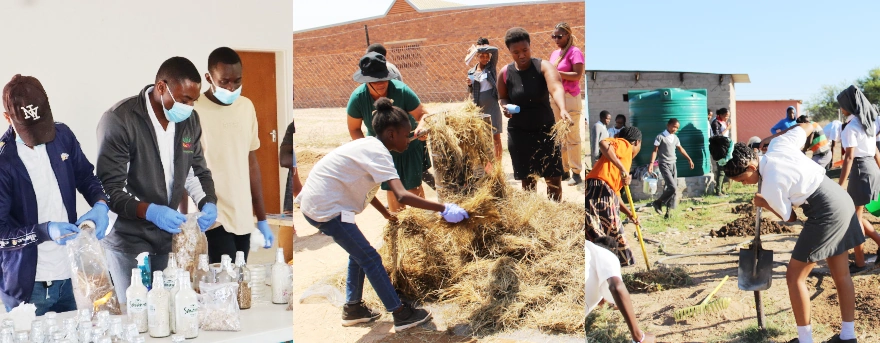
Young people are trained as “One Health Champions” who carry what they learn back to their families and neighbours. In this way, the knowledge spreads well beyond each training site.
The model now runs in Dordabis, Schlip, Nhoma, Den-Ui!, Okondjatu, and Onandjokwe. Prof. Freeman remarked that growing it further will need partnerships, investments, technical support, infrastructure, equipment, markets and research, but above all communities that take ownership and are committed.
For UNAM Cares, the recognition is both an honour and a responsibility. “Sometimes the seeds of global solutions are found in the most local of places, and even what we call waste can become the beginning of something transformative,” Prof. Freeman said.
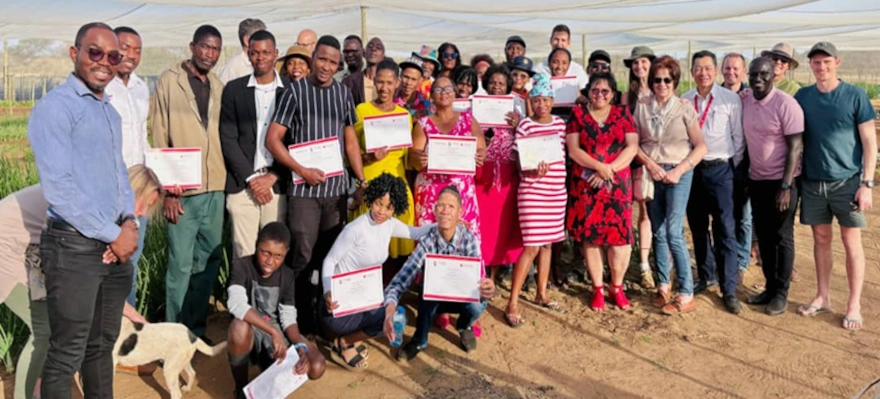
The recognition reflects UNAM’s mandate under the University of Namibia Act to serve society beyond lecture halls. It also shows how a university can respond directly to the needs of the communities around it.
Organisations interested in partnering, investing or offering technical support can contact Professor Freeman, Head of UNAM Cares at rfreeman@unam.na or mobile: +264 81 252 0601.