


Historic Veterinary Accord Paves Way for Cross-Border Practice
In a groundbreaking development for higher education and animal health in the region, the University of Namibia has achieved a major milestone with the signing of a Mutual Recognition Agreement between the South African Veterinary Council (SAVC) and the Namibian Veterinary Council (NVC).
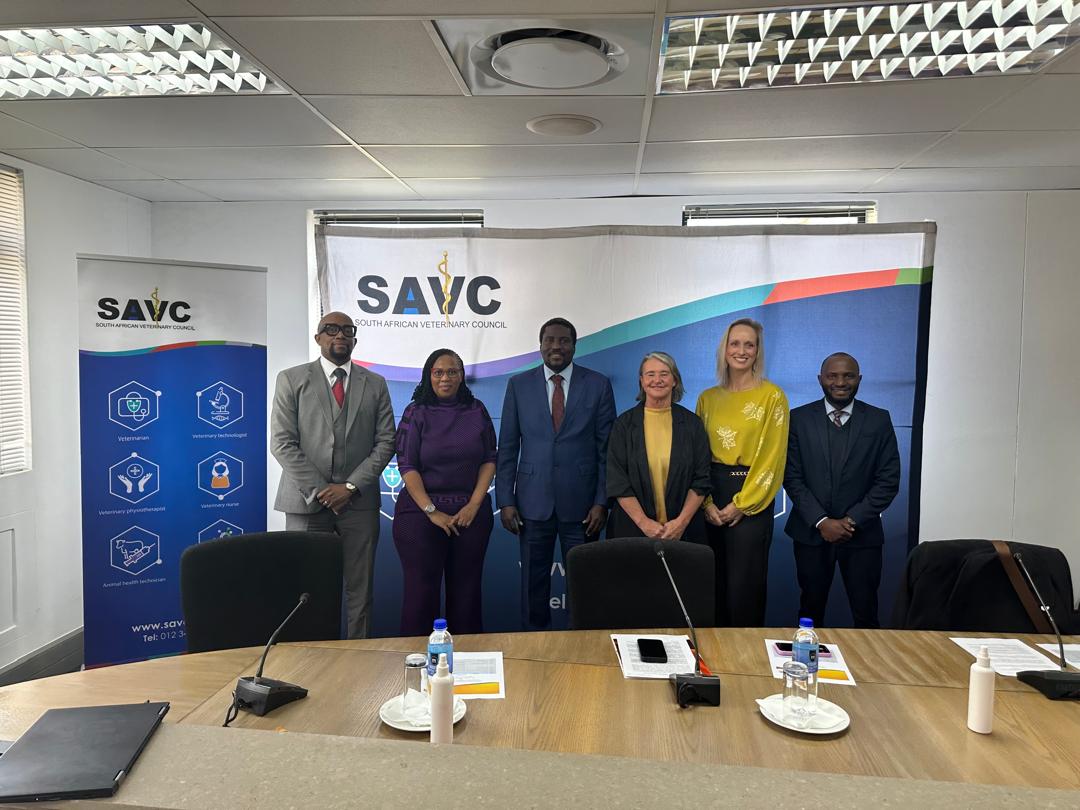
The signing of the agreement came after the SAVC joined the NVC and National Council for Higher Education (NCHE) to conduct an accreditation audit on the UNAM Bachelor of Veterinary Medicine (BVM) in November 2024, based on 12 internationally accepted standards designed to evaluate the quality of veterinary education.
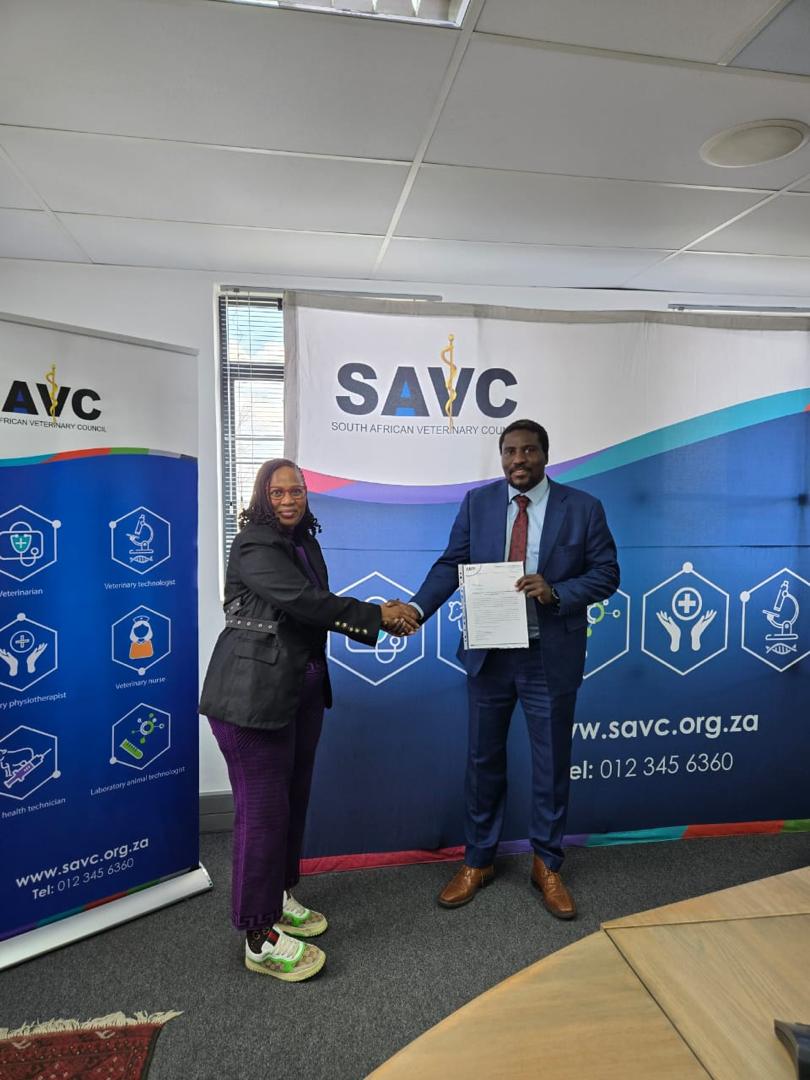
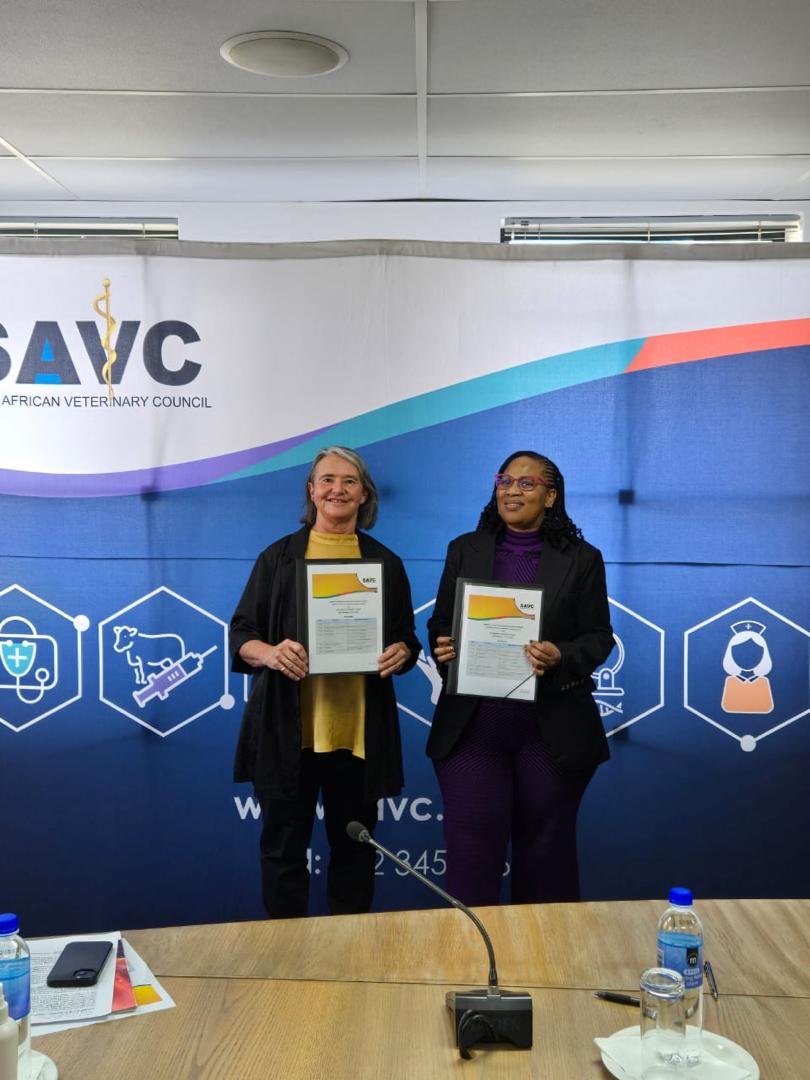
The agreement, formalised on 14 July 2025 in Pretoria, marks the first time two African veterinary statutory bodies have committed to automatic recognition of each other’s veterinary qualifications, eliminating the need for additional examinations and opening new doors for Namibian-trained veterinarians.
A milestone years in the making
UNAM’s School of Veterinary Medicine, only established in 2014, produced its first cohort of veterinarians in July 2019. Just five years on, this mutual recognition signals the exceptional quality of its Bachelor of Veterinary Medicine (BVM) programme.
Prior to this agreement, UNAM veterinary graduates wishing to practice in South Africa faced a rigorous Board exam, including theoretical and clinical assessments. Now, these graduates will be eligible for automatic registration with the SAVC, mirroring the pathway for University of Pretoria graduates in Namibia.
“This is a proud moment for UNAM and Namibia,” remarked Prof. Kenneth Matengu, Vice-Chancellor of UNAM. “It affirms the international merit of our qualifications, and specifically the veterinary qualification, and speaks to the high standards upheld by our School of Veterinary Medicine since its inception.”
Raising regional standards
The agreement sets a precedent for professional mobility and knowledge exchange within the Southern African Development Community (SADC). Botswana already accepts UNAM graduates for registration, and the hope is for further regional harmonisation.
Dr. Anna Marais, Associate Dean: School of Veterinary Medicine, commented: “This milestone is more than an administrative achievement, it reflects mutual trust between the two Veterinary Councils and a shared commitment to animal, human, and environmental health across our borders. It also affirms that our programme meets globally recognised benchmarks.”
A model for Africa
The initiative, which originated with support from the Food and Agriculture Organisation (FAO), underlines the role of international collaboration in veterinary education. “This is the first agreement of its kind in Africa, and we are proud to be leading the way,” noted SAVC Registrar Mr. Mongezi Menye.
During the signing of the agreement by the two Registrars, the Registrar of the NVC, Dr. Janeke Kirchner, confirmed the transparent, evidence-based process followed during the audit.
As Africa faces complex animal health challenges, this pioneering agreement ensures the region is better equipped with highly trained professionals who can respond with agility and expertise.
With over 80 veterinary graduates to date and a growing reputation for excellence, UNAM’s School of Veterinary Medicine stands as an inspiration of progress for Namibia and the continent. As Prof. Matengu concluded: “We look forward to even greater achievements as we continue to serve both Namibia and the wider region.”
For more information, visit the University of Namibia website or contact the School of Veterinary Medicine.