


In a heart-warming display creativity and community engagement, Afrikaans student teachers from the University of Namibia’s School of Education recently brought two local primary schools to life through immersive literacy experiences. The outreach visits transformed ordinary classrooms into vibrant hubs of storytelling, music, and learner-centred reading activities.
At the heart of these engagements was a shared mission to strengthen reading skills and comprehension by showing teachers and learners what joyful, interactive literacy looks like in practice. Across both schools, learners were immersed in high-energy sessions that showcased innovative ways to make Afrikaans learning accessible and enjoyable.
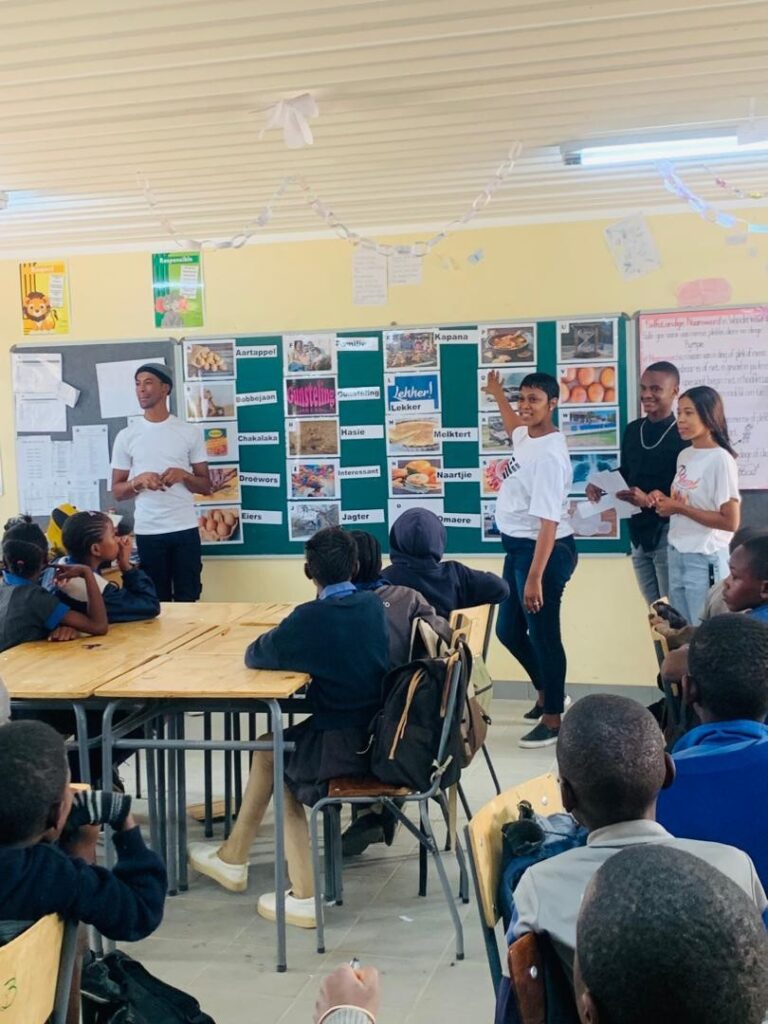
These initiatives were coordinated in close collaboration with Dr. Jessica Jansen from the Department of Early Childhood Education and Care (ECEC) and Mrs. Ivy Heyman van Wyk from the Department of Intermediate and Vocational Education (DIVE). Together, they accompanied the students to Monte Christo Primary School in Havana on 25 September, and to Cimbebasia Primary School on 8 October two schools whose leadership embraced the experience with warmth and enthusiasm.
During the visits, learners participated in interactive activities including expressive read-alouds, learning through music with songs and rhythmic activities helped consolidate phonemic awareness the big book experience where large-format texts allowed younger learners to participate in shared reading, strengthening visual literacy and collective storytelling.
For the learners, the sessions were lively, fun, and deeply engaging; for the student teachers, they were a powerful learning experience. Being immersed in real classroom environments gave them a chance to refine their teaching identity, experiment with new methods, and deepen their understanding of literacy challenges facing Namibian schools.
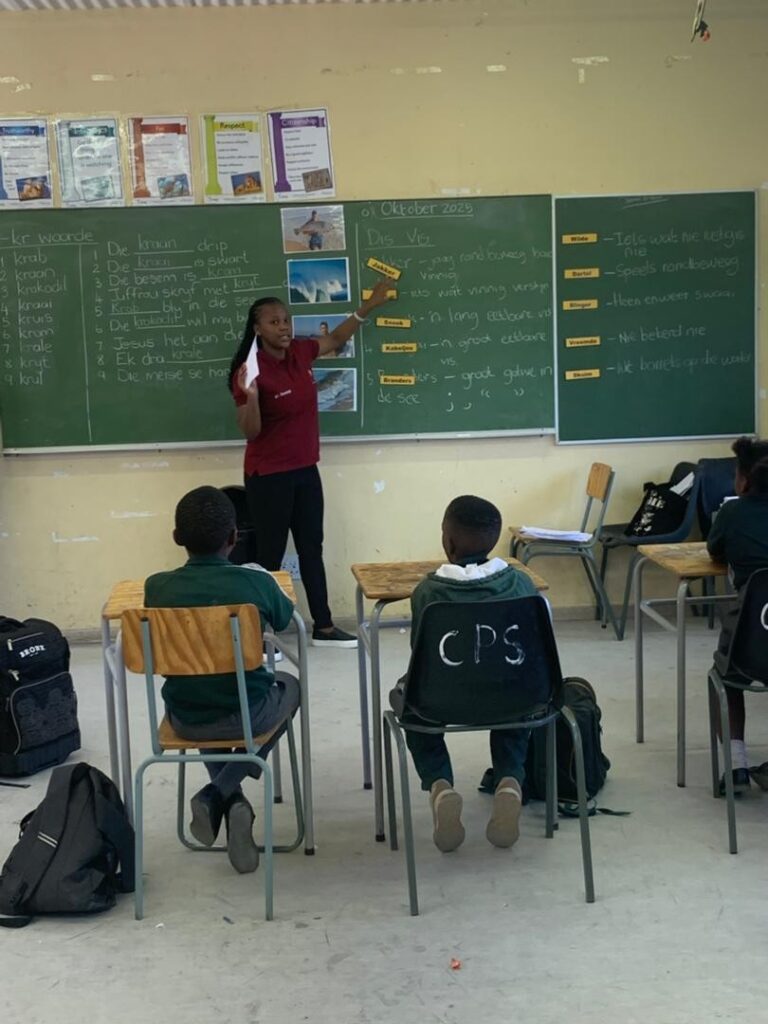
The principal of Cimbebasia Primary School, Ms. Shangombe, expressed profound appreciation for the initiative, noting the “fresh energy and meaningful engagement” the student teachers brought into the classrooms. She praised the creative use of music and storytelling, highlighting their impact on learner participation and reading fluency.
At Monte Christo Primary School, Mr. Karuaihe shared similar sentiments. He described the visit as “a rich and eye-opening experience” for learners and voiced his hope that such collaborations would continue, given their clear value to both student teachers and schools.
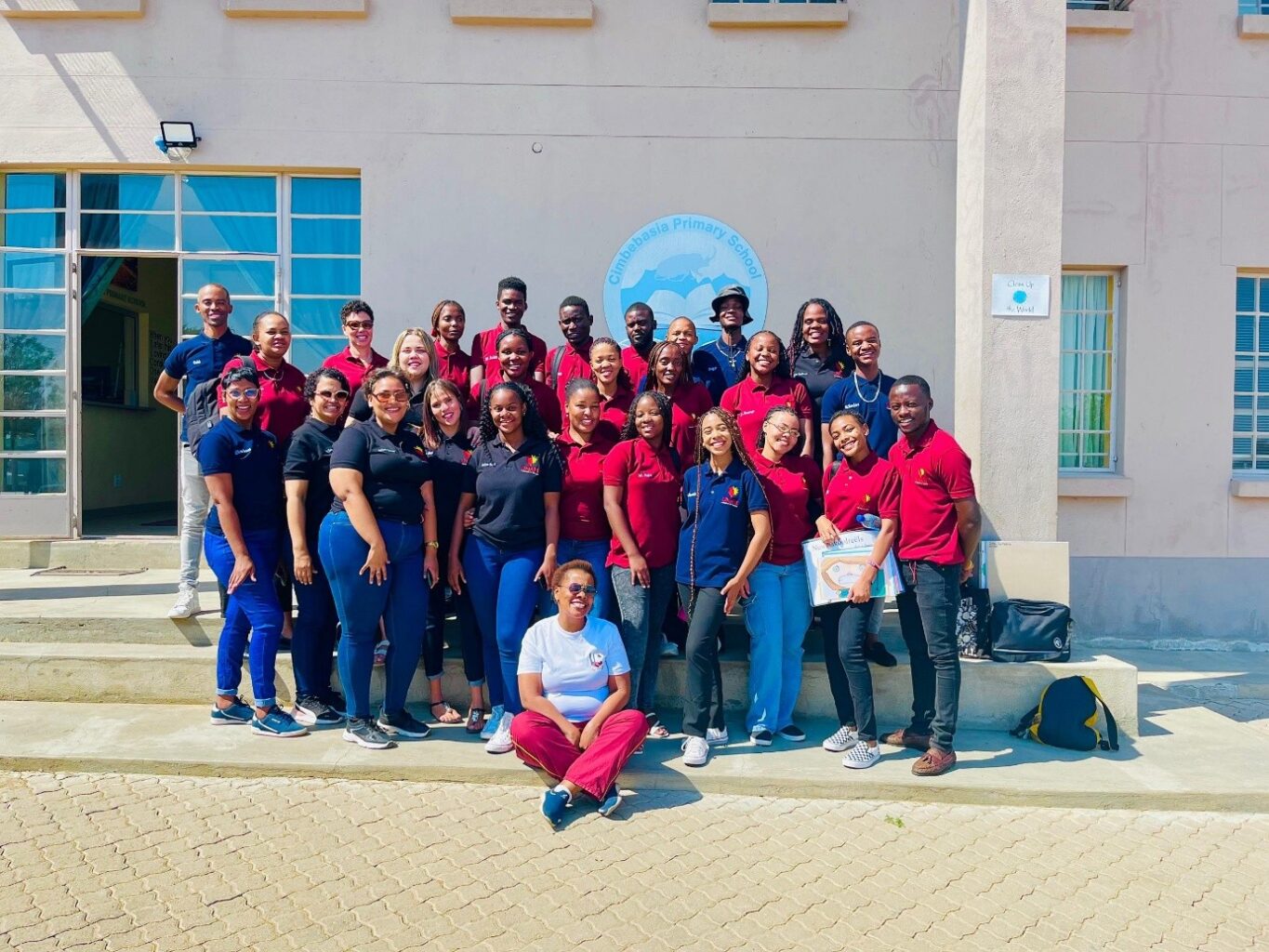
For many of the UNAM students, the outreach was transformative. They described it as an opportunity to confront their fears, challenge their assumptions, and understand firsthand the realities of teaching in multilingual contexts. As one student reflected:
“We now feel ready to begin the journey of becoming teachers who make a meaningful difference, especially in helping children whose home language is not Afrikaans improve their reading and speaking skills.”
This initiative stands as a powerful reminder of the role teacher training institutions play in shaping responsive, compassionate educators. By blending theory with hands-on practice, UNAM continues to prepare student teachers who are not only skilled, but deeply attuned to the needs of the communities they will one day serve. Their journey into the classroom has only begun but already, they are proving that a single story, a single song, or a single shared reading moment can open doors to a lifetime of learning.