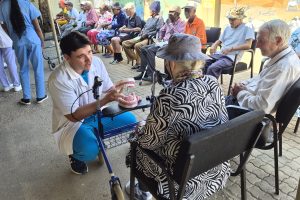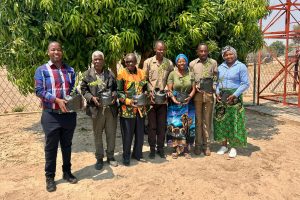



More than 150 farmers from across the Zambezi Region gathered, both in person and online, at the University of Namibia’s Katima Mulilo Campus for a landmark Herd Health engagement led by the School of Veterinary Medicine. The event aimed to equip livestock owners with practical knowledge to improve herd productivity, reduce losses and adopt modern animal-health practices.
Held at the Wildlife Extension Auditorium, the session provided farmers with expert guidance on disease prevention, animal nutrition, reproductive management, and the growing role of veterinary clinical services in the region.

Dr. Anna Marais, Associate Dean of the School of Veterinary Medicine, highlighted the increasing demand for veterinary services in Zambezi. “In the last two months alone, the Katima Mulilo Consulting Room has treated 292 domestic animals, clear evidence of the need for dedicated clinical support in the region,” she said. She also reminded farmers that UNAM currently operates three veterinary clinical service points: Main Campus, Neudamm, and Katima Mulilo Campus.
Prof. Dietmar Holm, a Bovine Herd Health Specialist from the University of Pretoria, unpacked key challenges leading to poor herd performance, including miscarriages, preventable disease outbreaks, and nutrition gaps. He emphasised the importance of timely intervention: “Early detection of animal diseases can prevent significant losses. Farmers should monitor their animals closely and act quickly.”
UNAM Vice Chancellor, Prof. Dr. Kenneth Matengu, urged farmers to embrace proactive herd-health practices, including fertility checks and digital tracking tools. “Treating sick animals is far more expensive than vaccinating them. Prevention remains the most effective and affordable tool for every farmer,” he said.
Farmers were introduced to the full scope of the Herd Health system, covering vaccination planning, parasite control, pregnancy diagnosis, bull fertility testing, body-condition scoring, and breeding-cycle management. The approach ensures that each cow produces at least one healthy calf per year.

Campus Director, Prof. Dr. Samuel Mafwila, assured farmers of continued services and engagements. “The Katima Mulilo Campus, through its Department of Animal Health, remains committed to delivering veterinary support to livestock farmers in the Zambezi Region. Information-sharing sessions like this will continue based on farmer needs and expert availability,” he said.
Farmers left with a clear message: UNAM is equipping them not just to own cattle, but to become productive, commercially oriented livestock farmers. The event took place on 21 October 2025.