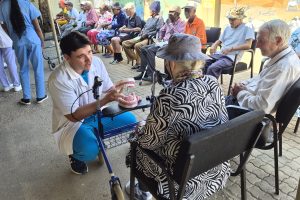



A lack of accessible oral healthcare for individuals living with physical, sensory, and cognitive impairments and the elderly remains a persistent and often overlooked challenge within Namibia’s healthcare system.
At the University of Namibia, this gap has become a catalyst for innovation.
In response, the Faculty of Health Sciences and Veterinary Medicine recently hosted an Interprofessional Education (IPE) initiative on 26 March 2026 at the Hage Geingob Campus, bringing together students to develop practical, inclusive solutions aimed at improving oral healthcare accessibility for vulnerable populations.
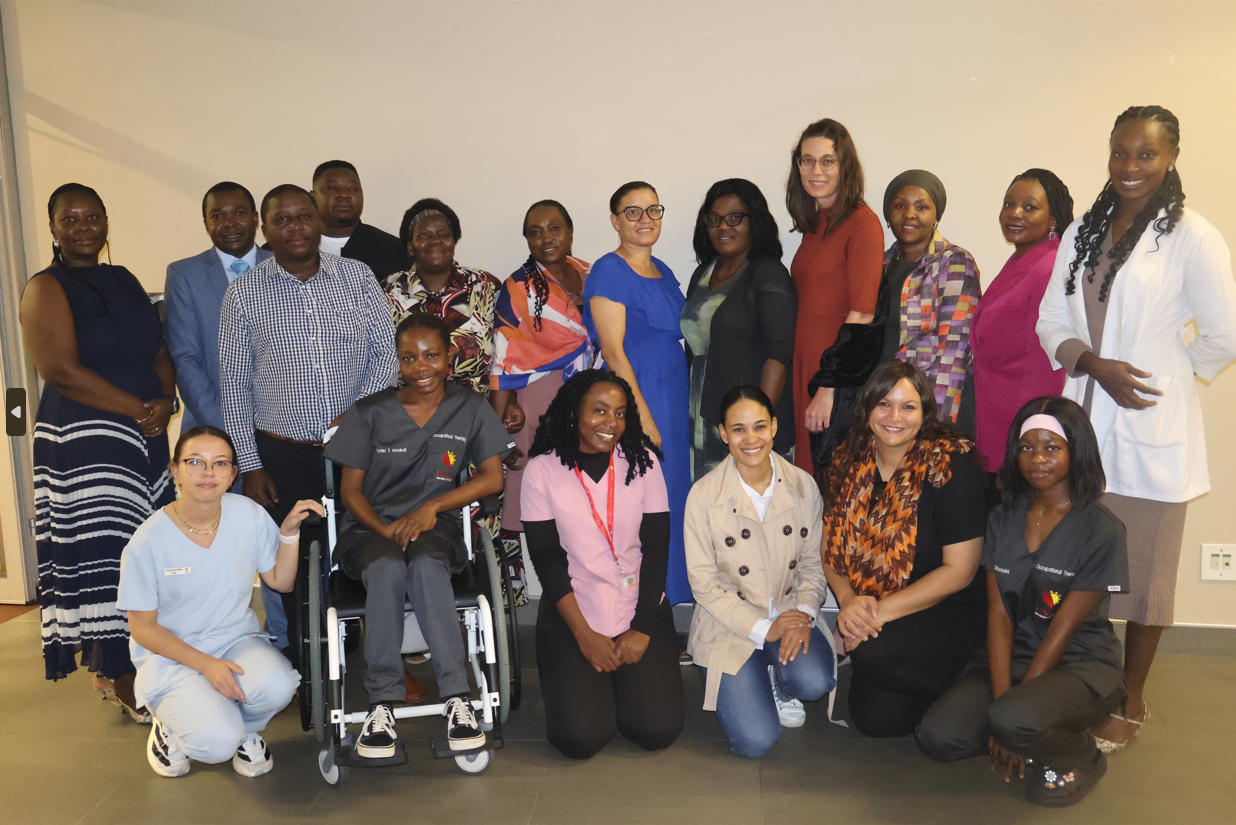
The project brought together 18 fourth year Dental and 15 third year Occupational Therapy students in a pioneering initiative which transformed the learning environment into a vibrant and interactive space.
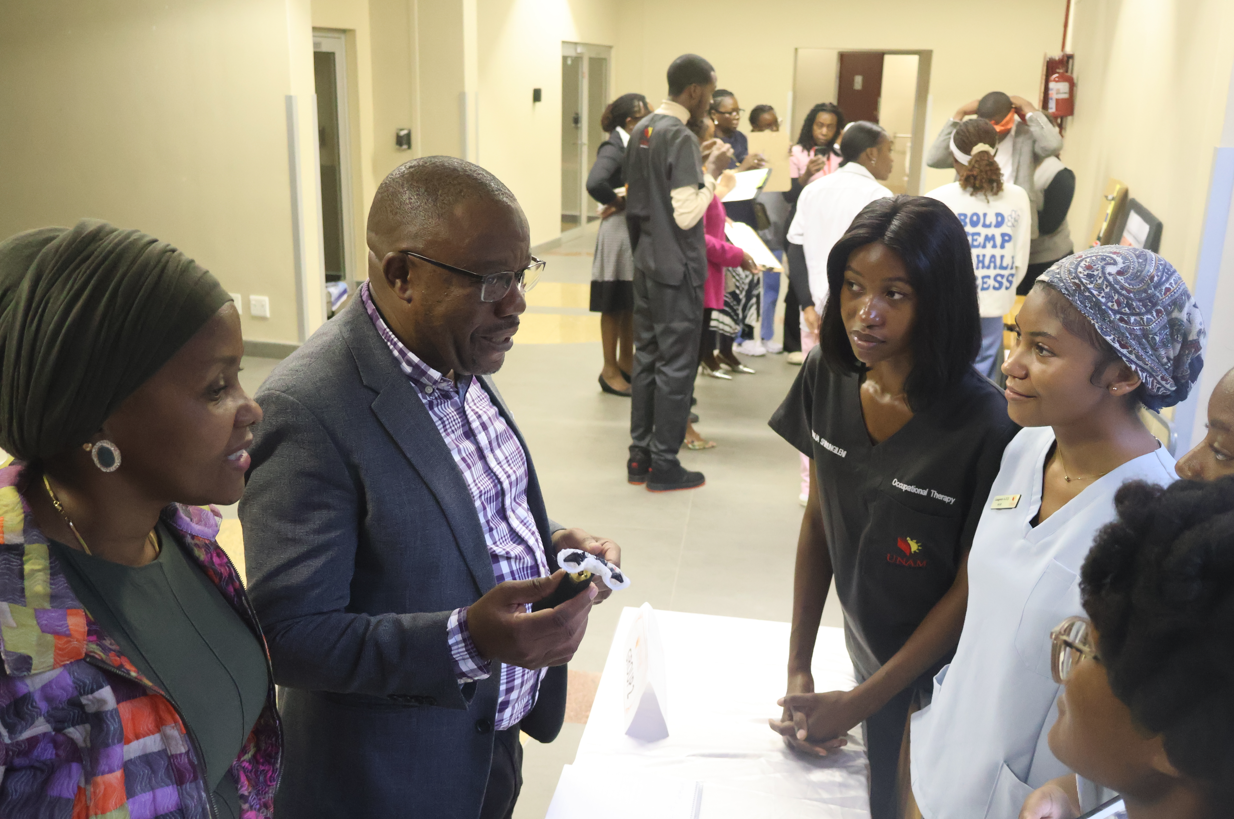
The students showcased their project designs and devices across seven stations, demonstrating both the functionality of their innovations and the reasoning behind their designs.
The event drew a diverse audience, including representatives from the Ministry of Health and Social Services, educators from Special Needs Schools in the Ministry of Education, Innovation, Youth, Sports, Arts and Culture, health professionals, university staff and students.
A panel of assessors also evaluated the projects based on innovation, teamwork, clinical relevance and communication.
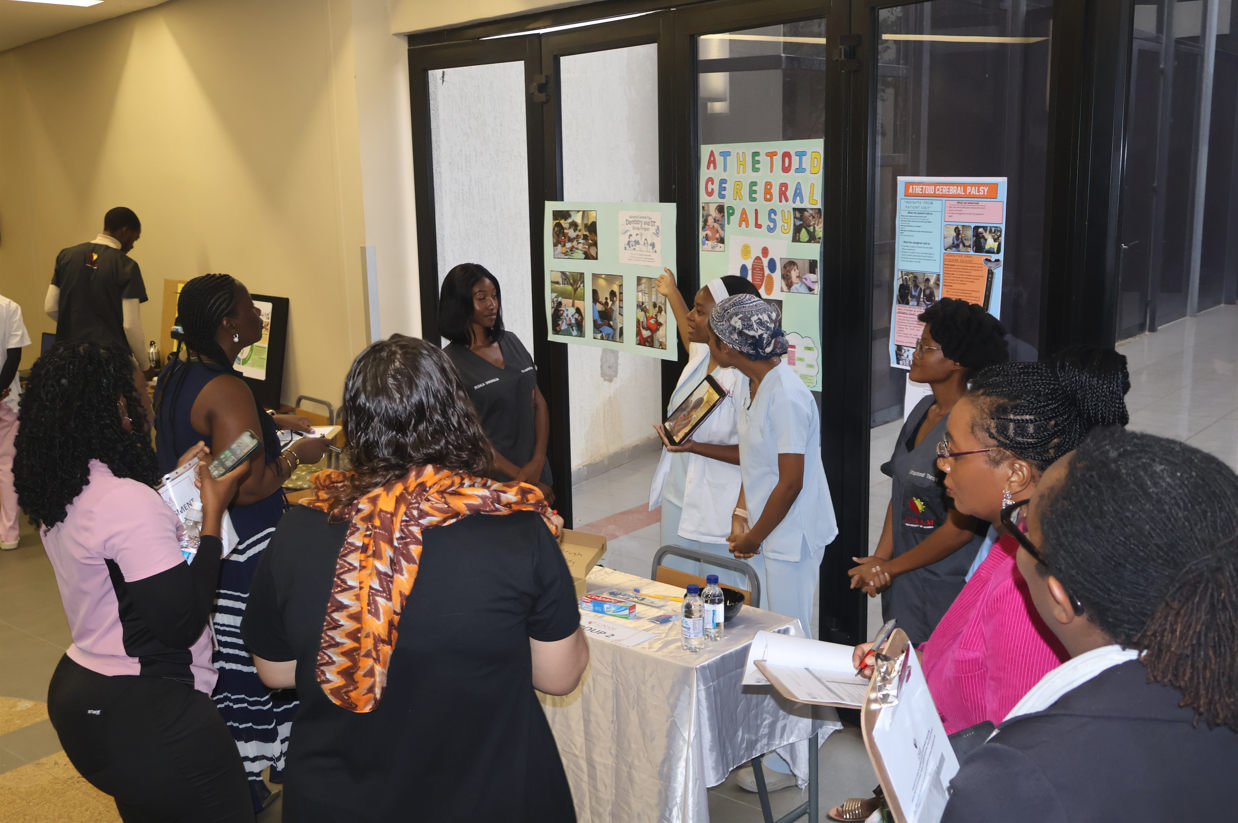
A recurring theme was the importance of innovation in low-resource settings and students were commended for developing affordable, practical solutions adaptable to community contexts.
Students described the experience as eye-opening and transformative, enabling them to understand the roles of other health professionals while building meaningful working relationships.
“Participating in this outreach initiative transformed my perspective on oral healthcare for vulnerable populations.
It deepened my awareness of the daily challenges they face and how easily oral health can be neglected without proper intervention,” said Petrina Ndakukamo, a 4th year Bachelor of Dental Surgery Student.
She further noted that designing and presenting assistive devices reinforced that even small innovations can make a meaningful difference.
The success of this inaugural IPE initiative was reiterated by both Associate Deans of School of Dentistry and School of Allied Health Sciences, Dr. John Rutabanzibwa and Prof. Tonderai Shumba respectively, emphasizing the need for expanded interdisciplinary participation within the university and further development of the project.
The project was spearheaded by Dr. Arthur Chigova and Dr. Nyaradzai Esther Munambah, lecturers in the respective schools.