


Public awareness and acceptance of body donation to science at the University of Namibia has significantly improved, with pledges rising notably between February and May 2025.
Since its establishment in 2010 up to the end of 2024, UNAM’s School of Medicine recorded just 11 formal pledges from Namibians willing to donate their bodies posthumously for medical education.

This year, however, the numbers have notably increased, reflecting a transformative shift in public perception and engagement.
Following extensive media coverage and public discussions early in 2025, interest surged dramatically. In a span of only four months, between February and May, an additional four Namibians officially pledged their bodies, bringing the total to 15. Also, over 25 people have contacted UNAM’s Division of Anatomy to request donor forms or seek further information.
Dr. Anneli Poolman, Senior Lecturer in Anatomy, emphasizes the importance of this rising trend: “Each pledge significantly enriches the practical education of our future medical professionals. The increase in public interest is truly encouraging, supporting a greater understanding of how vital these donations are for medical training.”

The surge in interest is strikingly evident when comparing numbers: donors from just four months (February to May 2025) already make up 27% of the total pledges received since 2010. This clearly proves a significant shift in public engagement and willingness to support medical education through body donation.
The practical implications of receiving Namibian donors, as opposed to relying on costly imports from abroad, such as South Africa, are profound. Namibian body donations eliminate the complex, expensive logistical challenges associated with international transportation and embalming. Furthermore, local donations cultivate a deeper sense of national contribution to healthcare education, fostering stronger local support.
Highlighting the symbolic significance, Prof. Judith Hall, Executive Dean of the Faculty of Health Sciences & Veterinary Medicine, remarked, “Local body donations symbolize community support for Namibia’s healthcare education system. It’s a powerful statement of national pride and unity.”
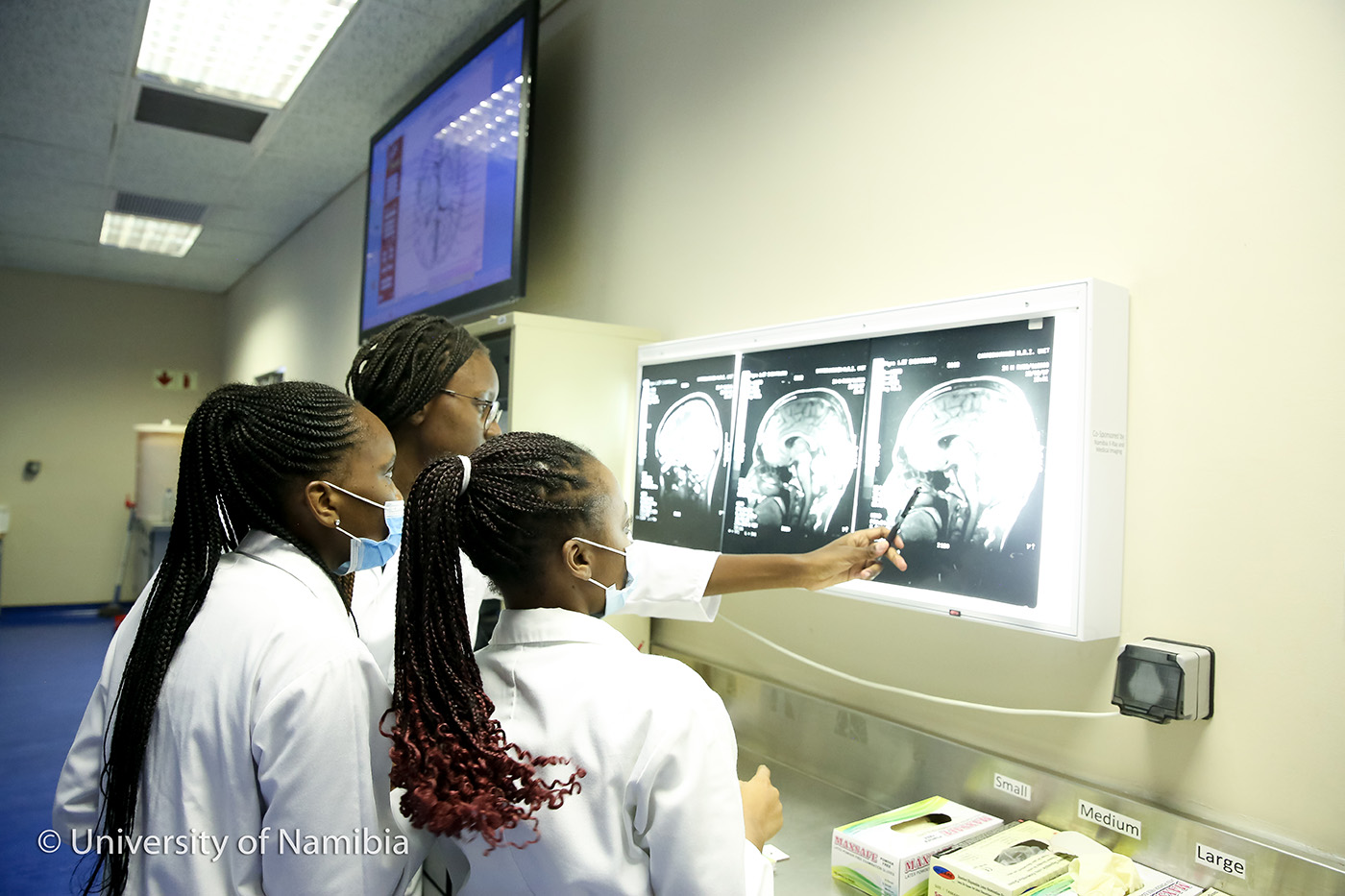
Dr. Felicia Christians, Associate Dean of the School of Medicine, noted, “The recent rise in body donation pledges reflects greater openness and acceptance among Namibians. It’s a commendable act, showing a progressive mindset towards supporting medical research and education in Namibia.”
UNAM continues to encourage potential donors to discuss their wishes openly with their families and communities.
Interested individuals can obtain the necessary forms and information directly from the University (apoolman@unam.na), contributing positively to Namibia’s medical education and research.